From: https://www.yeshiva.org.il/ask/135607
הרב דניאל קירש
ט”ז כסלו תשפ”ג
שאלה
שלום לרב יש לי כמה שאלות בנושא פתיל תכלת:
1. האם ראוי ללבוש תכלת רק בשבת וביום טוב בגלל שרוב הרבנים לא שמים תכלת ורק כדי לצאת ידי המיעוט?
2. אדם שימצא ציצית עם פתיל תכלת צריך לחשוש שאולי זה תכלת לא אמיתית? או שיכול לסמוך שזה החילזון המקורי ולא ראדזין וכו ?
3. אדם שאין לו מנהג מובהק איזה סוג קשירה יבחר?
תשובה
שלום וברכה,
1. כמובן שאם אתה רוצה באמת לצאת ידי מיעוט הפוסקים שמחייבים ללבוש ציצית עם תכלת (כמו הרב דב ליאור), אז יש ללבוש ציצית עם תכלת כל השבוע.
אולם מכיוון שרוב גדולי הפוסקים לא סבורים שיש חיוב לשים תכלת, ממילא יש עניין לנהוג כפי שכתבת ולשים תכלת בצורה חלקית כמידת חסידות בלבד ולשים תכלת רק בציצית של שבת ויום טוב, או רק בטלית קטן (ציצית) ולא בטלית גדול וכדומה.
2. את זיהוי התכלת של הראדזינר לא קיבלו גדולי דורו, ולא בדורות שאחריו. מה שאין כן הארגמון קהה קוצים שהתקבל יותר על העוסקים בסוגיה. מכיוון שיש חוגים שעדיין מטילים את התכלת של הראדזינר, והיא קיימת בשוק, לכן מי שהשיג ציצית עם תכלת ורוצה להדר להטיל ציצית עם תכלת, ולא יודע להבחין בין סוגי התכלת, כדאי שיראה את הציצית למי שמבין בדבר שיודע לזהות אם התכלת הוא התכלת של הראדזינר או הארגמון קהה קוצים. בכל מקרה מותר ללבוש ציצית עם תכלת של הראדזינר.
3. לגבי מספר חוטי תכלת ישנן שלש דעות. דעת הרמב”ם: חוט אחד של תכלת. דעת הראב”ד: שני חוטים של תכלת. דעת התוספות: ארבעה חוטים של תכלת. מכיוון שהלכה זאת לא נדרשה למעשה כבר הרבה דורות, לכן לא הכריעו בו השולחן ערוך והפוסקים האחרונים. למעשה יש מקום לכל הדעות. אולם בכל זאת יש לציין שגדולי הפוסקים שמורים להטיל תכלת היום, הגר”ד ליאור (דבר חברון סי’ יט) והגר”מ מאזוז סבורים שיש לשים חוט אחד של תכלת כדעת הרמב”ם, וכן נהג הגרז”נ גולדברג זצ”ל (וכן דעת הראדזינר בעל התכלת וכן כתב מרן הרב קוק בספרו מציאות קטן סימן צו). כאשר הלכה רופפת בידך יש לבדוק את מנהג העולם.
אם אפשר לדבר על מנהג העולם בתכלת נראה שרבים נוהגים להטיל חוט אחד כדעת הרמב”ם. חלק לא מבוטל נוהגים להטיל שני חוטים כדעת הראב”ד. ומעטים מאד נוהגים להטיל ארבעה חוטים כדעת התוספות.
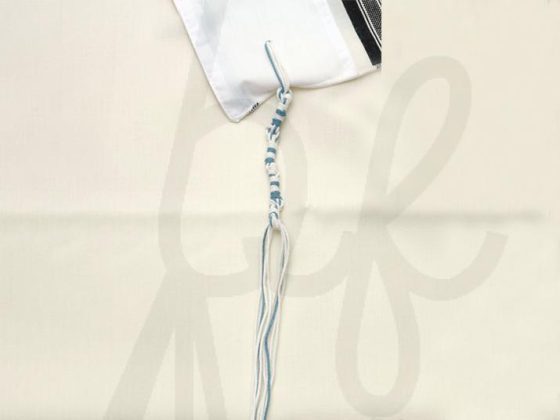
לגבי הכריכות ואופן הקשירה ישנן הרבה שיטות ומנהגים. כל הדרכים טובות ואין הדבר מעכב. לכל השיטות יש להתחיל בלבן ולסיים בלבן כמבואר בגמרא. לפירוט השיטות ראה ספר ‘התכלת’ לרב מנחם בורשטיין (עמ’ 85). כמו כן ניתן לראות באתר ‘פתיל תכלת’ שמסבירים ומציגים אחד עשר סוגי קשירות ראה כאן: https://www.tekhelet.com/he/tying-options/
מקורות והרחבה:
1. מקצת מפוסקי זמננו מורים להטיל תכלת המופק מהחילזון ‘ארגמון קהה קוצים’, ובראשם הגר”ד ליאור והגר”מ מאזוז שליט”א (הגר”ד ליאור סבור שיש חיוב גמור והגר”מ מאזוז סבור שראוי לשים אבל לא חובה). וכן נהג הגרז”נ גולדברג. אולם רוב גדולי הפוסקים בדור שלנו ובדור הקודם (שכבר בדור הקודם נודע הזיהוי של חילזון זה) לא ראו זיהוי של חילזון זה כזיהוי שמחייב להטיל תכלת (ויש שאף התנגדו לשים תכלת מסיבות שונות).
אין כאן המקום להאריך בשאלת חיוב הטלת תכלת בימינו, שזו סוגיה גדולה מאד וכבר האריכו בו רבים. רק אראה לקוראים מקום לעיין בו. בין אלה שרואים בזיהוי התכלת כזיהוי מדויק שמחייב לשים תכלת ראה דבר חברון (או”ח, סי’ יח-כג) וספר ‘חותם של זהב’. בין אלה שלא רואים בו זיהוי מחייב ראה מנחת אשר (ח”ב סי’ א-ג). ובקונטרס ‘תכלת’ לג”ר שלמה הירש העמיק הרחיב בסוגיה ודן באריכות בכמה וכמה ספיקות שיש בזיהוי הארגמון קהה קוצים, ובחיוב הטלת תכלת זה בזמננו, וכתב בסוף הקונטרס: “ולמעשה נראה לענ”ד שאין חיוב להטיל את התכלת מהארגמון ולכל היותר יש בזה מדת חסידות”.
יש מקום לשים תכלת כמידת חסידות, ולהטיל תכלת רק בציצית של שבת. לחילופין אפשר להטיל תכלת רק בטלית גדול או רק בטלית קטן (ציצית). ראה בספר ליקוטי הראי”ה (עמ’ 338) שמרן הראי”ה קוק המליץ לאחד שרצה להטיל תכלת שיטיל רק בטלית קטן בצנעא ולא בטלית גדול שרואים אותו, כדי שלא להוציא לעז על הראשונים. ראה בספר ‘פסקי הראי”ה’ (עמ’ 21) לידידי הרה”ג ר’ דוד ווצלר מה שכתב בזה.
ואציין שהגר”ח קנייבסקי זצ”ל כתב לי במכתב שאסור לשים תכלת (ראה מה שכתבתי על כך במקדמי ארץ יא שנת תשפ”ג עמ’ 439).
לגבי ציצית מהודרת לשבת יש לציין שכתב המשנה ברורה (רסב, ס”ק ה): ” ואם אפשר לו טוב שיהיה לו גם טלית אחר לשבת”. על זה כתב הגר”א נבנצל שליט”א: “אדמור זלהה”ה תמה על מה שנהגו להתעטף בטלית נאה בשבת, ואת הטלית הפחות נאה להשאיר לימי החול. הרי גם בחול צריך להדר במצות ציצית, בעוד שחובת כיבוד השבת טרם חלה עליו. ואולי אפשר לישב, דאם ישתמש בטלית הנאה בימי החול הרי תתבלה בתוך זמן קצר, ויתבטל ההידור. ונראה להביא ראיה שצריך לכבד את השבת במצוה נאה שהרי פי השופרות שתקעו בהן במקדש היה מצופה ביום טוב בזהב ובתעניות בכסף (עי’ ר”ה פ”ג מ”ג ומ”ד)”. עכ”ל.
ועיין גם בבאר היטב אבהע”ז (סה ב), ובפתחי תשובה (שם, ס”ק ג).
2. ראה שולחן ערוך (סימן כ סעיף א) שמי שקנה ציצית מיהודי, הציצית כשרה. אלא שכאמור הפוסקים נקטו עיקר שלא כתכלת של הראדזינר. וראה בספר ‘חותם של זהב’ (עמ’ 4 הערה 8) שכתב: “כי הצבע של ראדזין נוצר בעיקר מתערובת הברזל שמוסיפים שם. והדם משמש בו רק כסממנים ובכה”ג אפשר להשתמש לזה גם בדם שור, וכן נהגו לעשות בייצור צבע כחול פרוסי בעבר.(עיין בית אהרן וישראל קכא תשרי חשון תשס”ו). ואפשר שהחזו”א ידע מטענה זו – שנשמעה כבר בתקופתו – וכעדות הגר”ח קנייבסקי שליט”א שאמר החזו”א לאדם ששאלו על צביעת ראדזין “קח דם שור ותצבע בו” ולכאורה הוא משום שידע שאין בזה ממש כלל ושבסממנים כאלו, יצלח לזה אף דם שור במידה שוה”.
3. לגבי מספר החוטים ראה בספר התכלת לג”ר מנחם בורשטיין (עמ’ 81), ובקונטרס התכלת לג”ר שלמה הירש (עמ’ 26), חותם של זהב (עמ’ 49) שכתב שאין הכרע ויש בית אב לכל שיטה. סיפר לי ידידי הרב אליהו שרון שהגרז”נ גולדברג זצ”ל היה שם חוט אחד תכלת כדעת הרמב”ם, ושאל אותו על כך. הגרז”נ ביאר את הצדדים והשיטות ואמר שהוא בצעירותו נמשך בזה אחר דעת הראדזינר. כלומר שהגרז”נ לא קבע מסמרות בדבר אלא שהוא עצמו נהג כך על פי הראדזינר בעל התכלת. ואף שבשלב מסוים כבר לא הטיל את התכלת של הראדזינר אלא את הארגמון קהה קוצים, בכל זאת לא שינה מדעת הראדזינר בעניין מניין הפתילות).
כל טוב!
English
From: yeshiva.org.il/ask/135607
Rav Daniel Kirsch – 16 Kislev 5783
Question
Shalom to the Rav, I have a few questions about p’til tekhelet:
- Is it ra’ui to wear tekhelet only on Shabbat and Yom Tov, since most rabbis don’t put tekhelet, and this way it’s only to be yotzei the minority opinion?
- If a person finds tzitzit with a tekhelet string, does he need to be choshesh that maybe it’s not real tekhelet? Or can he assume it’s from the original chilazon and not Radzin, etc.?
- A person who doesn’t have a clear minhag — which tying method should he choose?
Answer
Shalom u-vrakha,
1) Wearing tekhelet only on Shabbat/Yom Tov
Of course, if you really want to be yotzei the minority of poskim who hold there is an obligation to wear tzitzit with tekhelet (like Rav Dov Lior), then you should wear tzitzit with tekhelet the whole week.
However, since most of the major poskim do not hold there is an obligation to put tekhelet, mimeila there is an inyan to do like you wrote — to do it partially, as a middat chassidut only. Meaning: to put tekhelet only on Shabbat and Yom Tov, or only in the tallit katan (tzitzit) and not the tallit gadol, and so on.
2) Concern that it might not be real tekhelet (Radzin vs. murex)
The identification of the Radziner tekhelet was not accepted by the major poskim of his generation, nor by later generations. This is not the case with argamon keheh kotzim (the murex), which was accepted more among those who are involved in this sugya.
Since there are groups that still use the Radziner tekhelet and it exists on the market, therefore if someone obtained tzitzit with tekhelet and wants to be mehader to put tzitzit with tekhelet, and he doesn’t know how to distinguish between the types of tekhelet — it’s better that he show the tzitzit to someone who understands the matter and knows how to identify whether it is Radziner tekhelet or argamon keheh kotzim.
In any case, it is permitted to wear tzitzit with the Radziner tekhelet.
3) How many tekhelet strings, and which tying style
Regarding the number of tekhelet strings, there are three opinions:
- Rambam: one string of tekhelet
- Raavad: two strings of tekhelet
- Tosafot: four strings of tekhelet
Since this halakha has not been practiced for many generations, the Shulchan Aruch and later poskim did not decide it. Practically, there is room for all the opinions.
Still, it should be noted that major poskim who instruct to put tekhelet today — Rav Dov Lior (Dvar Hevron siman 19) and Rav Meir Mazuz — hold to put one string of tekhelet, like the Rambam. And so did Rav Zalman Nechemia Goldberg zt”l. (This is also the view of the Radziner, the author of HaTekhelet, and so wrote Maran HaRav Kook in Mitzvot Katan siman 96.)
When the halakha is shaky in your hands, you should check the minhag ha-olam. If we can speak about a “minhag ha-olam” regarding tekhelet, it appears that many put one string like the Rambam; a significant number put two like the Raavad; and very few put four like Tosafot.
Regarding the windings and the tying method: there are many methods and minhagim. All the ways are good, and it does not hold back the mitzva. For all methods, one must start with white and finish with white, as explained in the Gemara.
For details of the different methods, see the sefer “HaTekhelet” by Rav Menachem Borstein (p. 85). Also, you can see on the “Ptil Tekhelet” site where they explain and present eleven tying options.
Sources and further discussion
- Some contemporary poskim instruct to put tekhelet produced from the chilazon of argamon keheh kotzim, led by Rav Dov Lior and Rav Meir Mazuz (Rav Dov Lior holds it is a full obligation; Rav Meir Mazuz holds it is proper to put but not obligatory). And so did Rav Z.N. Goldberg.
However, most of the major poskim in our generation and the previous generation (and already in the previous generation this identification was known) did not see this chilazon identification as one that obligates putting tekhelet (and some even opposed putting tekhelet for various reasons).
This is not the place to expand on the question of whether there is an obligation to put tekhelet nowadays, which is a very large sugya and many have written at length. I will just point to places to look.
Among those who see the identification as precise and obligating tekhelet: Dvar Hevron (O.C. simanim 18–23) and the sefer “Chotam Shel Zahav.”
Among those who do not see it as obligating: Minchat Asher (vol. 2 simanim 1–3).
And in the booklet “Tekhelet” by Rav Shlomo Hirsch, he expands the sugya and discusses many doubts about identifying argamon keheh kotzim and about the obligation to put this tekhelet today, and he writes at the end: “Practically, it seems to me there is no obligation to put tekhelet from the argamon, and at most it is a middat chassidut.”
There is room to put tekhelet as a middat chassidut, and to put it only in Shabbat tzitzit. Alternatively, one can put tekhelet only in the tallit gadol or only in the tallit katan.
See Likutei HaRe’ayah (p. 338) that Maran HaRav Kook advised someone who wanted to put tekhelet that he should put it only in the tallit katan privately, and not in the tallit gadol that people see, so as not to cast aspersions on the earlier generations. See also Piskei HaRe’ayah (p. 21) from my friend HaGaon Rav David Wetzler on this.
And I will note that Rav Chaim Kanievsky zt”l wrote to me in a letter that it is forbidden to put tekhelet (see what I wrote about this in Mikadmei Eretz 11, year 5783, p. 439).
Regarding having nicer tzitzit for Shabbat: the Mishnah Berurah (O.C. 262:5) writes: “If he can, it is good that he should have another tallit for Shabbat.” On this, Rav Avigdor Nebenzahl explains why people keep a nicer tallit for Shabbat, even though one must be mehader in tzitzit during the week as well, and he brings a proof from the shofarot in the Mikdash being plated differently on Yom Tov and fast days (see Rosh Hashanah ch. 3 mishnayot 3–4). See also Be’er Heitev E.H. (65:2) and Pitchei Teshuvah there (s.k. 3).
- See Shulchan Aruch (siman 20:1) that someone who bought tzitzit from a Jew, the tzitzit are kosher. However, as said, the poskim generally held not like the Radziner tekhelet. See Chotam Shel Zahav (p. 4, note 8) that the Radzin dye color is mainly created from the iron mixture they add, and the “blood” serves only as ingredients — and in such a case one could also use ox blood, and that’s how blue dye was produced historically (see Beit Aharon ve-Yisrael 121, Tishrei–Cheshvan 5766). And it’s possible the Chazon Ish knew this argument; and there is testimony from Rav Chaim Kanievsky shlit”a that the Chazon Ish told someone who asked about Radzin dye: “Take ox blood and dye with it,” apparently because he knew there is nothing to it, and with such ingredients it would work the same with ox blood.
- Regarding the number of strings: see HaTekhelet by Rav Menachem Borstein (p. 81), and the booklet Tekhelet by Rav Shlomo Hirsch (p. 26), and Chotam Shel Zahav (p. 49) that there is no final decision and each method has a beit av.
My friend Rav Eliyahu Sharon told me that Rav Z.N. Goldberg zt”l used one tekhelet string like the Rambam, and he asked him about it. Rav Goldberg explained the sides and the opinions and said that in his youth he was drawn after the view of the Radziner. Meaning, he did not set hard rules in the matter, but he personally practiced that way based on the Radziner author of HaTekhelet. And even though at some stage he no longer used Radziner tekhelet and instead used argamon keheh kotzim, he still did not change from the Radziner view regarding the count of the strings.
Kol tuv!