From https://www.yeshiva.org.il/midrash/3869
הקדמה
בספרים כתוב שהתחדשות התכלת היא אחד מסימני הגאולה (יתכן שרמז לכך ניתן למצוא בבראשית רבה פה, ט: “ויאמר מה הערבון אשר אתן וגו’, אמר רבי חוניא נצנצה בה רוח הקודש: חותמך זו מלכות… ופתילך זו סנהדרין שהן מצויינין בפתיל, היך מה דאת אמר פתיל תכלת, ומטך, זה מלך המשיח…” (הערת העורך).) , ומעניין שהאדמו”ר מראדזין – שהיה הראשון שניסה לחדש את התכלת, והשקיע את חייו לשם כך – התחיל את פעולתו בשנת תרמ”ח, וסימנך ‘אַתָּה תָקוּם תְּרַחֵם צִיּוֹן’ (תהלים קב, יד.) . בשיעור זה ננסה להבין מה קרה לתכלת במהלך הדורות, למה הפסיקו לשים בציצית חוטי תכלת, כן נעסוק בשאלות המתעוררות סביב זיהוי התכלת, ובנושאים נוספים.
הבעייתיות בזיהוי התכלת
שאלה חשובה לבירור – הנוגעת גם לתחומים נוספים – היא איך אנחנו מזהים היום צבע? שאלה זו קיימת, למשל, גם ביחס לקטורת.
ביחס לדברים רבים נותנים חז”ל סימנים לזיהויים, אולם עדיין יש לדעת כיצד יש להשתמש בסימנים אלו. ביחס לחילזון ממנו מפיקים את התכלת – הגמרא לא ראתה צורך לזהות את החילזון וסימניו כי הדבר היה פשוט לחז”ל, ובדבר שיש בו מסורת דור אחר דור אין צורך בסימנים (כך אמר לי הרב אברהם שפירא שליט”א). לכן, רוב הסימנים המופיעים בחז”ל לגבי החילזון הם סימנים צדדיים, שהוזכרו בהקשרים אחרים. כך למשל דנה הגמרא במסכת שבת (עה ע”א.) באדם שצד חילזון ופוצע אותו – האם הוא חייב חטאת אחת או שתי חטאות – ומכאן אנו למדים שבחילזון שייכות צידה ופציעה. וכן למדנו:
מטרת הגמרא כאן אינה לזהות את התכלת, אלא להסביר מדוע נבחר דוקא צבע התכלת לקיים בו את מצוות הציצית; בדרך אגב אנו למדים מדבריה שצבע התכלת דומה לצבעו של הים. אם נרצה להשתמש בטעם זה כדי לזהות את התכלת המלאכה עדיין ארוכה, כי גם צבע הים אינו ברור. פעם ביקשתי מצלם שיצלם את הים במשך כל היום, והתגלה ספקטרום גדול של צבעים שאפשר לראות במשך כל היום: משעות הצהרים שאז צבע הים הוא תכלת בהיר, ועד לפנות ערב שאז הצבע כמעט סגול. וכך אומר הרב הרצוג, שהאדמו”ר מראדזין זיהה את חילזון התכלת כחילזון עם צבע כחול משום שהוא ישב באירופה, שם צבע השמים נוטה יותר לירוק ולכן גם צבע הים דומה יותר לכחול. כללו של דבר, הסימנים לזיהוי התכלת אינם חד משמעיים. גם דימוי התכלת לאבן ספיר אינו עוזר, כי איננו יודעים מהי אבן הספיר; וגם לאחר שנתגלתה לפי רוב השיטות אבן הספיר – התברר שניתן לשייף אותה, וכך ישתנה צבעה.
הזכרנו שני סימנים מדברי חז”ל זיהוי התכלת, מתוך אחד עשר שליקט האדמו”ר מראדזין.
משמעות צבע התכלת
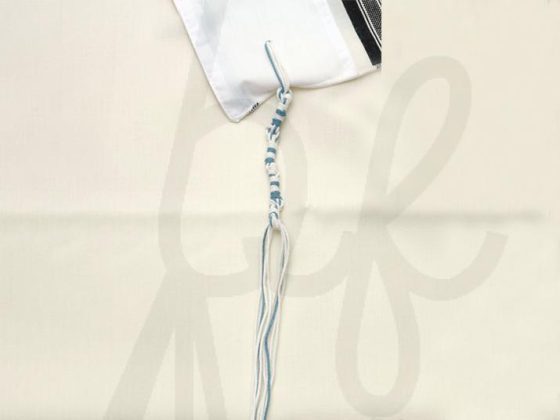
לצורך דברים רבים במשכן השתמשו בתכלת, כמתואר בפרשת תרומה: לכיסויי יריעות המשכן ויריעות החצר, לפרוכת, למעיל ועוד, וכן למצוות הציצית: “דַּבֵּר אֶל בְּנֵי יִשְׂרָאֵל וְאָמַרְתָּ אֲלֵהֶם וְעָשׂוּ לָהֶם צִיצִת עַל כַּנְפֵי בִגְדֵיהֶם לְדֹרֹתָם וְנָתְנוּ עַל צִיצִת הַכָּנָף פְּתִיל תְּכֵלֶת” (במדבר טו, לח.) . ביהדות – יש משמעות לצבעו של דבר, כמו שכותב הרב הירש בספרו “מצוות כסמלים”, הצבע האדום הוא הצבע הגשמי ביותר – הוא צבעה של האדמה ושל הדם. על כן הצבע האדום הוא צבעו של מזבח האדמה, עליו מקריבים קרבנות, וגם צבעו של המשכן כולו היה נחושת. ככל שעולים במעגל הקשת אנו מוצאים צבעים רוחניים יותר, עד שמגיעים אל צבע התכלת, שהוא הצבע הרוחני ביותר. השמים הם חסרי צבע, הם מבטאים את שיא הרוחניות, אולם כשמסתכלים עליהם – רואים תכלת. נמצא שהתכלת הוא ‘מציאות וירטואלית’, הוא כולו רוחני ורק נראה לנו כתכלת. לכן הכיסויים של הכלים הרוחניים במשכן, כמו המנורה, הם כולם מתכלת, וכן מעיל הכהן הגדול שבא לכפר על לשון הרע שבפרהסיא (זבחים פח ע”ב.) .
דיונים הלכתיים סביב חידוש התכלת
נסקור כאן כמה מן הדיונים שעלו בסוגיית שחזור מצוות התכלת.
האם צריך דוקא חילזון, או שאם חברות הצבע יוציאו צבע דומה לתכלת הוא יהיה כשר? בתוספתא למדנו “תכלת אין כשרה אלא מן החלזון. הביא שלא מן החלזון פסולה” (תוספתא מנחות ט, טז.) . מפשט לשון הברייתא משמע שהצורך בחילזון הוא צורך עקרוני; בטעם הדבר ניתן לומר שצבע התכלת הוא רוחני, ולכן צריך לקחת אותו דוקא מעולם החי.
אולם, יש אומרים שהסיבה לכך היא טכנית מעשית – משום שבימים קדומים לא היה צבע טבעי יפה, ובעבר צבע היה סמל למעמד, רק מלכים הרשו לעצמם ללכת עם צבע מיוחד, כי כל הצבעים היו מחזיקים רק עד הכביסה הבאה… במשך הדורות היו מלכי הגוים הולכים עם בגדים בצבע סגול. לפני מספר שנים הזמין אותי הנשיא הרצוג לנסוע לחוף הים של לבנון, שם מצאו הרים שלמים של קונכיות ריקות השבורות בדיוק במקום ממנו לוקחים את אותו צבע סגול.
על כן, באופן פשוט יש צורך דוקא בחילזון להפקת התכלת, וצבע מלאכותי יהיה פסול. אולם, לפי השיטה שכל המטרה של החילזון היא שהצבע יהיה צבע יציב – גם צבע מלאכותי יהיה כשר.
מהי הגדרת החילזון? חז”ל אומרים “נרתיקו גדל עמו” (שיר השירים רבה ד, ב, וכעין זה בדברים רבה פרשה ז, יא “מלבושו גדל עמו”.) , ויש לשאול מהי הכוונה המדוייקת במילה ‘נרתיק’. האדמו”ר מראדזין שטוען שהחילזון הוא הדיונון אומר שהכוונה היא לשלד, ואכן כשאנו הולכים לחוף הים ניתן למצוא לפעמים שלדים של דיונון הגדלים יחד עמו. כמובן שלפי שיטתו המילה ‘חילזון’ בלשון חז”ל אין פירושה חילזון בלשון ימינו, שהוא בעל חי עם קונכיה, אלא גם דג הדיו בכלל ‘חילזון’, כיון שהוא רכיכה.
הצבע והצביעה: כתוב שלצורך מצוות התכלת היו משתמשים בסממני עזר שונים. השאלה המתעוררת כאן היא האם הסממנים נדרשו לצורך הכנת הצבע, או שמטרתם היתה לנקות את הצמר, כדי שהוא יִצַבָּע טוב יותר? כך גם יש לדון, האם במצוות ציצית צובעים את הציצית או את הגיזה?
כמה פתילים צריכים להיות מתכלת? התורה אומרת ” וְנָתְנוּ עַל צִיצִת הַכָּנָף פְּתִיל תְּכֵלֶת”, וכותב הרמב”ם שפתיל תכלת הוא פתיל אחד מתוך השמונה (הלכות ציצית א, ו.) . הראב”ד תמה על כך, הרי בכל פתיל יש שני חוטים, ואם כן שני חוטים מתוך השמונה צריכים להיות מתכלת. שיטה שלישית היא שיטת רש”י והתוספות, שכיון שכתוב ‘וּרְאִיתֶם אֹתוֹ’ יש צורך שלפחות ארבעה חוטים מתוך השמונה צריכים להיות צבועים בתכלת.
האם ניתן לחדש את עבודת הקרבנות ללא תכלת? באופן פשוט אי אפשר לחדש את עבודת הקרבנות ללא תכלת, שהרי בלעדיה לא ניתן לעשות את האבנט, וללא בגדי הכהונה אי אפשר לעבוד (דיונים נוספים מתעוררים ביחס לבגדי הכהונה. כך למשל אמר לי הרב אליהו שמפורש בדברי הרמב”ם שאסור לעשות ניקוי יבש לבגדי הכהונה, ואם כן כיצד ניתן להשתמש בהם לטווח ארוך? לשאלה זו מצאנו בסופו של דבר פיתרון, אולם בעיות אלו רק ממחישות את הצורך בהכנה רצינית ומדוקדקת אם ברצוננו להתכונן לבנין בית המקדש).
האם החילזון כשר באכילה? כידוע כל מה שבמקדש צריך להיות “מן המותר בפיך”, ועל כן אומר החיד”א שיתכן שהחילזון כשר, שהרי משתמשים בו לבגדי המקדש. אולם, יש אומרים שכשרות החילזון אינה משמעותית כי הצבע עובר תהליך ארוך של עיבוד, עד שהוא הופך ממש לעפר, ויש אף שאומרים שהתכלת מוגדרת כ’חזותא בעלמא’ (שו”ת נודע ביהודה תנינא, או”ח חלק ג’ ד”ה ‘אך לכאורה’.) , בצבע כשלעצמו אין בעיה של כשרות.
הזיופים : כידוע, כל תעשיה הקשורה לכסף גוררת זיופים. התכלת היא אחת מארבעת הדברים (חבי”ת: חלב, בשר, יין ותכלת) אותם ניתן לקנות רק ישירות מן האומן שידוע שהוא ירא שמים – שהרי תכלת צריכה להיעשות לשמה, או לחילופין לקנותה בצורה של “חותם בתוך חותם” (עבודה זרה לט ע”א.) .
מדוע הפסיקו ללבוש תכלת?
בזמן גלות בבל מינו הגוים את עצמם אחראים ישירים לכל תעשיית הצבע, והם לא הסכימו לייבא את התכלת מארץ ישראל, כי זהו צבע מלכותי והם לא רצו לעודד מסחר בצבע הזה. וכיון שתעשיית התכלת היתה בארץ ישראל ורוב היהודים ישבו בבבל – כמעט לא היתה תכלת. על כך אמר לי פעם הרב אברהם שפירא שליט”א, שאם היתה חובה ללכת עם תכלת – מסירות הנפש היתה מתגברת על הכל, אבל כיון שפסקו חכמים ש”התכלת אינה מעכבת את הלבן” (כלומר, אם אין תכלת ניתן לקיים את מצות הציצית גם בלעדיה, בחוטי לבן בלבד) אנשים הפסיקו ללכת עם תכלת. בעיה זו נוצרה כבר בתקופת הגמרא, ומאז פחת השימוש בתכלת.
שיטתו של האדמו”ר מראדזין – הדיונון
בשנת תרמ”ח קם האדמו”ר מראדזין – רבי גרשון חנוך ליינר, שכתב שלשה ספרים. אחד מהם נקרא “שפוני טמוני חול” ובו הוא מתאר את כל סימני החילזון, ובספר נוסף הוא מתאר את כל סיפור החיפוש אחר התכלת. בין היתר, הוא נסע למוזיאון התת ימי בנאפולי, וכנראה הוא נסע גם לותיקן כדי לחפש מעיל תכלת, וכך לזהות את הצבעים. מספרים ששאלו אותו איך הוא לא פוחד להיכנס למרתפים, והוא ענה שיש לו סגולה בדוקה מאבות אבותיו. הוא לא רצה לגלות מהי, אבל פעם אמר המשמש שלו שיש לו פשוט אקדח קטן…
לאחר חקירות ובדיקות, החליט האדמו”ר מראדזין שבעל החיים המתאים ביותר לתיאורי החילזון ממנו מפיקים את התכלת הוא הדיונון, שגופו דומה לים (כדברי הגמרא (מנחות מד ע”א.) “חילזון זה גופו דומה לים”), וכאשר דג מנסה לאכול אותו, מעיף הדיונון צבע שיוצר עשן, כך שהדג אינו רואה דבר.
לאחר זיהוי הדיונון, הקים בנו של האדמו”ר בעיר ראדזין מעבדה, שבה ייצרו חוטים הצבועים בתכלת המופק מהדיונון. פעולה זו גרמה לפולמוס גדול מאוד על חידוש התכלת, עד כדי כך שמתנגדיו האשימו אותו שהוא עומד להקים מדינה יהודית, וניצלו את העובדה שהוא עודד את חסידיו לעלות לארץ, עד שהוא אפילו ישב בכלא בשל כך, ויצא ממנו רק בזכות שוחד.
לקראת השואה ראה נכדו של האדמו”ר שכל תעשיית התכלת עלולה להתבטל, והוא אסף עשרה אנשים וגילה להם את הסוד. אולם, במהלך השואה נהרגו כל העשרה. חסידי ראדזין – בראשות הרב שרגאי, שהיה ראש עירית ירושלים – חיפשו דרך לחדש את התכלת ולא מצאו, עד שמצאו אצל הרבנית הרצוג מכתב, שכתב שמשו של האדמו”ר לאביו של הרב הרצוג, שהיה רב ידוע בפולניה. הרב הרצוג ביקש מאביו שיתכתב עם האדמו”ר, וכנראה האדמו”ר לא היה ולכן ענה לו השמש, לפי מכתב זה ניסו התלמידים לחדש את התכלת. אולם, התעוררה בעיה: באו מדענים וביצעו את אותו תהליך עם דם של שור במקום דם הדיונון – והתקבלה אותה תוצאה. בסופו של דבר מצאו חסידי ראדזין דרך אחרת להפקת התכלת, ועל פיה הם הולכים עד היום.
שיטתו של הרב הרצוג – היאנטינה
הרב הרצוג – עם כל הערכתו לאדמו”ר מראדזין – טען שהחילזון חייב להיות עם כיסוי מיוחד, שאינו קיים אצל הדיונון. הוא עשה דוקטורט על נושא החילזון, ושאל את המדענים של אותה תקופה מהו החילזון המתאים ביותר לתכונות שהוא גילה, והם ענו לו שיש חילזון בשם יאנטינה – שהוא חילזון יפה בצורת שבלול, עם קונכיה קטנה בצבע סגול. חילזון זה מת כאשר הוא במים, וגם כאשר הוא ביבשה… לכן הוא שט במהופך על פני המים. בים יש קילומטרים שלמים של אותו חילזון, פעם פניתי לרב של הצי השישי, והוא אסף לי מהים כמה מהם.
בדומה לדיונון, גם חילזון זה מעיף צבע – כשהוא רוצה לאכול את שושנת הים הוא מעיף צבע עם חומר מטשטש, וכך הוא מצליח לבלוע את הטרף. פעם היתה תערוכה שבה הסברתי על היאנטינה, והיה איתי הרב מרדכי אליהו. תוך כדי דבריו הוא אמר: ‘הרב בורשטיין, אתה לא מסביר טוב’. קיבלתי חלישות הדעת, ושאלתי אותו במה טעיתי? הוא ענה לי – כאשר החילזון מעיף על הברווזן את הצבע הברווזן מתבלבל, ואינו יודע אם הצבע בא מהחילזון של ראדזין או של הרב הרצוג, ועד שהוא מתאושש הוא בולע אותו…
ארגמון כהה קוצים
כיום טוענים המדענים, שאם הרב הרצוג היה שואל אותם היום – הם היו אומרים שהחילזון המתאים לתכונות המבוקשות אינו הנקרא אנטינה, אלא ארגמון כהה קוצים. גופו אינו דומה לים, אבל גדלים עליו דברים שנראים כים. על הפסוק ‘ושפוני טמוני חול’ אומרים חז”ל שזהו התכלת (מגילה ו ע”א.) , ואכן ד”ר אהוד שפניא גילה שכאשר הולכים בתוך חול הים אי אפשר למצוא אותם, כי הם מתחבאים בתוך חול הים.
בגמרא נאמר “תנו רבנן: חלזון זה – גופו דומה לים, וברייתו דומה לדג, ועולה אחד לשבעים שנה, ובדמו צובעין תכלת, לפיכך דמיו יקרים” (מנחות מד ע”א.) , ויש גורסים “ועולה אחד לשבע שנים”. ברור שגם לפי הגירסא הראשונה אין הכוונה לשבעים שנה ממש אלא הביטוי ‘שבעים שנה’ הוא ביטוי המציין נדירוּת, שהרי על הפסוק “ומדלת הארץ השאיר נבוזראדן רב טבחים לכורמים וליוגבים” אומרת הגמרא (שבת כו ע”א.) ‘יוגבים – אלו ציידי חלזונות’, וברור שנבוזראדן לא השאיר את היוגבים בשביל פעם בשבעים שנה. אלא פשט הגמרא הוא שפעם בשבעים שנה החילזון עולה לחוף, ובשאר השנים צריך להתאמץ כדי למצוא אותו. אדם שתפקידו הוא לצוד את החלזונות – ודאי יכול למצאם גם בשנים אחרות.
הקשר בין ספר הבישול האיטלקי למצוות התכלת
מחילזון הארגמן קשה מאוד להוציא את הבלוטה שממנה מוציאים את הצבע. היא מאוד דקה ומאוד קשה להפריד אותה מהחילזון, ובתחילה כלל לא ידעתי איך מוציאים אותה. ‘שברתי את הראש’ איך לעשות זאת, חשבתי מי מומחה לחלזונות ולבסוף עלו בדעתי האיטלקים, שאוכלים את החלזונות. לקחתי ספר בישול באיטלקית, ושם אכן מצאתי הוראות מדוייקות כיצד להוריד את הבלוטה, ובאמת כך הצלחתי. על כך נאמר שכל חכמות העולם יהיו לעתיד לבוא כרקחות, טבחות ואופות לתורה.
הליכה עם תכלת למעשה
לסיכום הדברים, נמצא שיש שלש שיטות: שיטת האדמו”ר מראדזין לפיו הדיונון הוא החילזון המבוקש, ושתי שיטות פנימיות בתוך שיטת הרב הרצוג – דעת הרצוג עצמו שהיאנטינה הוא החילזון ממנו מפיקים את התכלת, והמדענים שטוענים שהיום הוא היה מכריע שהחילזון הוא הארגמון כהה הקוצים. מהארגמון כהה הקוצים אכן מייצרים היום את חוטי התכלת.
שאלתי את הרב אליהו כיצד יש לנהוג למעשה, והוא ענה לי שהתכלת נגנזה, וזיהוי החילזון יתברר רק כאשר תבוא הגאולה השלמה יש להדגיש שהרב אליהו אינו מונע ביד מי שמעוניין ללכת עם תכלת, וברור שאין אף פוסק שאוסר זאת; לדעת הרבה פוסקים הדבר הוא מאוד כדאי, שהרי מדובר במצוה מהתורה, וספק דאורייתא לחומרא. אמנם, יש שטענו שכיון שהזיהוי אינו ודאי עדיף לא ללבוש את התכלת, ואחרת עלול להיווצר מצב שגם אם יתברר שהחילזון הוא אחר ממה שאנו חושבים היום ימשיכו מתוך הרגל במנהג הקודם (כשם שאומרת הגמרא במסכת סוכה לא ע”א “אמר מר: לא מצא אתרוג לא יביא לא רמון ולא פריש ולא דבר אחר. – פשיטא! – מהו דתימא: לייתי, כי היכי שלא תשכח תורת אתרוג, קא משמע לן זימנין דנפיק חורבא מיניה, דאתי למסרך”.) ; אך כיון שכאן מדובר בספק מצוה דאורייתא, קשה לדחותה מטעם זה. הרב ליאור ופוסקים חשובים נוספים בדקו את הנושא, ולדבריהם ניתן לקבוע בודאות שהתכלת אכן מופקת מהארגמון. לא אופתע אם בסופו של דבר מצוות התכלת תחזור מלמטה, בדומה לציונות. כבר ניסינו להכניס הצעות לסדר היום של מועצת הרבנות הראשית שתדון בנושא, אבל הדבר עדיין לא יצא לפועל. לעניות דעתי, אם כמה אלפים יתחילו ללכת עם תכלת – תבוא פסיקה מעוד פוסקים גדולים, וכך תחזור עטרת התכלת ליושנה.
מישהו שאל אותי – כיצד אני מדבר כל כך הרבה על תכלת, ואני עצמי לא הולך איתה? עניתי לו שכך אמר לי הרב אוירבך זצ”ל. פעם הראיתי לרב אוירבך את כל צילומי החלזונות, ושאלתי אותו האם אפשר ללכת עם תכלת? הרי “לא מעבר לים היא”! הוא אמר לי שבירושלים – כל פסק חדשני צריך להתמודד עם הרבה מאבקים, והוסיף ‘אני כבר לא צעיר’… שאלתי אותו – אז אפשר ללכת? הוא שאל אותי מדוע איני פוסק בעצמי בנושא, הרי אני עוסק רבות בדבר; ועניתי לו שאני מבחין בין לימוד בנושא לבין פסיקה. ענה לי הרב אוירבך שאם כך אז לא אלך עם תכלת ‘כיון שאתה מומחה לדבר ואתה הולך עם תכלת – הנהגה זו היא עצמה פסיקה’. תשובה זו היא כמובן אישית, אבל אחרים יכולים כמובן לסמוך על הפוסקים שלפיהם הם הולכים.
נושא התכלת הוא נושא חשוב מאוד, ובמיוחד בימים בהם אנו עוסקים במקדש- כפי שמבואר בספרי החסידות, שחידוש התכלת הוא אחד מסימני הגאולה.
English
Hakdamah
In sefarim it is written that the renewal of Techeiles is one of the signs of the Geulah. (It’s possible that there is a remez to this in Bereishis Rabbah 85:9: on the pasuk “Vayomer mah ha’eiravon asher eten…” — R’ Chunya said that a רוח הקודש flashed within her: “Chosamcha — this is מלכות… u’pesilecha — this is Sanhedrin, who are marked with a pesil, like what it says pesil techeiles; u’matecha — this is Melech HaMashiach…” — editor’s note.)
And it’s interesting that the Admor of Radzin — who was the first to try to renew Techeiles, and invested his whole life into it — began his efforts in the year תרמ”ח, and the siman is: “Atah takum terachem Tziyon” (Tehillim 102:14).
In this shiur we will try to understand what happened to Techeiles through the generations, why they stopped putting Techeiles strings in tzitzis, and we will also deal with the questions that come up around identifying Techeiles, and additional topics.
The problem in identifying Techeiles
An important question that needs בירור — which applies to other areas too — is: how do we identify a color today? This question exists, for example, regarding the Ketores as well.
By many things Chazal give סימנים for identification, but you still have to know how to use those סימנים. Regarding the Chilazon that Techeiles comes from — the Gemara didn’t see a need to identify the chilazon and its סימנים, because it was פשוט to Chazal, and when there is a mesorah from generation to generation there is no need for סימנים (כך אמר לי הרב אברהם שפירא שליט״א). Therefore, most of the “simanim” that appear in Chazal regarding the chilazon are really side סימנים, mentioned in other contexts.
For example, the Gemara in Shabbos 75a discusses someone who traps a chilazon and wounds it — is he חייב one chatas or two chataos — and from there we learn that by the chilazon there is a concept of trapping and wounding.
And we also learned:
“Tanya, hayah R’ Meir omer: What is different about Techeiles from all other colors? Because Techeiles is similar to the sea, and the sea is similar to the sky, and the sky is similar to the sapphire stone, and the sapphire stone is similar to the Kisei HaKavod.” (Chullin 89a)
The Gemara’s goal there is not to identify Techeiles, but to explain why דווקא the color Techeiles was chosen for the mitzvah of tzitzis. Along the way, we learn from it that the color of Techeiles resembles the color of the sea.
If we want to use this reason to identify Techeiles, the work is still long, because even the “color of the sea” is not clear. Once I asked a photographer to photograph the sea throughout an entire day, and it came out that there is a huge spectrum of colors you can see during the day: from midday, when the sea is a light Techeiles, until close to evening, when the color is almost purple.
And כך says Rav Herzog, that the Admor of Radzin identified the chilazon as a chilazon with a blue color because he lived in Europe, where the sky tends more toward green, and therefore the sea looks more blue. Bottom line: the simanim for identifying Techeiles are not חד משמעי.
Even the comparison of Techeiles to an “even sapir” does not help, because we don’t know what that stone is. And even after (according to most shitos) the sapphire stone was identified — it turned out you can polish it, and then its color changes.
We mentioned two simanim from Chazal about identifying Techeiles, מתוך eleven that the Admor of Radzin collected.
The meaning of the color Techeiles
For many things in the Mishkan they used Techeiles, as described in Parshas Terumah: for the coverings of the יריעות of the Mishkan and the courtyard, for the Paroches, for the Me’il, and more — and also for the mitzvah of tzitzis:
“Daber el Bnei Yisrael… v’asu lahem tzitzis al kanfei vigdeihem l’dorosam, v’nasnu al tzitzis hakanf pesil techeiles” (Bamidbar 15:38).
In Yiddishkeit, the color of something has meaning. Like Rav Hirsch writes in his sefer Mitzvos k’Semalim: the color red is the most physical color — the color of earth and blood. Therefore red is the color of the mizbe’ach of earth, on which korbanos are brought, and the overall color of the Mishkan was נחושת.
As you go up along the rainbow spectrum, you find more “spiritual” colors, until you reach Techeiles, which is the most “spiritual” color. The sky itself has no color — it expresses the peak of spirituality — but when you look at it, you see Techeiles. יוצא that Techeiles is a kind of “virtual reality”: it is entirely spiritual, and only appears to us as Techeiles.
Therefore the coverings of the spiritual keilim in the Mishkan, like the Menorah, were all Techeiles. And so too the Me’il of the Kohen Gadol, which comes to atone for lashon hara done publicly (Zevachim 88b), is Techeiles.
Halachic discussions around renewing Techeiles
We will review here some of the discussions that came up in the sugya of restoring the mitzvah of Techeiles.
Does it have to be דווקא from a chilazon?
Do you need specifically a chilazon, or if dye companies produce a color similar to Techeiles it would be kosher?
In the Tosefta we learned: “Techeiles is not kosher אלא מן החלזון; if it was brought not from the chilazon, it is פסול” (Tosefta Menachos 9:16). From the simple meaning of the braysa it sounds like the need for chilazon is a principled requirement. One possible reason: Techeiles is spiritual, so it must be taken דווקא from the עולם החי.
However, some say the reason is practical/technical: in ancient times there wasn’t a nice natural dye, and color was a symbol of status; only kings could afford special colors, because all colors would hold only until the next washing… Over the generations, non-Jewish kings wore purple clothing. A few years ago, President Herzog invited me to travel to the Lebanese seashore, where they found huge mountains of empty shells broken exactly at the spot where they take that purple dye from.
So, simply, it must be from a chilazon and synthetic dye would be פסול. But according to the shita that the whole point is that it be a stable dye — then even artificial dye could be kosher.
What is the definition of “chilazon”?
Chazal say: “Nartikoh gadel imo” — “its case grows with it” (Shir HaShirim Rabbah 4:2, and similarly Devarim Rabbah 7:11: “malbusho gadel imo”). We have to ask what exactly “nartik” means.
The Admor of Radzin, who claims the chilazon is the squid, says it means a skeleton; and in fact, when you walk along the seashore you can sometimes find squid “bones” that grow along with it. Of course, according to his approach, “chilazon” in Chazal does not mean “snail” in our language (a creature with a shell). Rather, even a squid is included in “chilazon” because it is a mollusk.
The dyeing process and the “sammanim”
It is written that for the mitzvah of Techeiles they used various helper ingredients. The question is: were these ingredients needed to prepare the dye itself, or was their purpose to clean the wool so it would absorb dye better? Also, do we dye the tzitzis strings, or do we dye the raw wool (the fleece)?
How many strings should be Techeiles?
The Torah says: “v’nasnu al tzitzis hakanf pesil techeiles.” The Rambam writes that “pesil Techeiles” is one string out of the eight (Hilchos Tzitzis 1:6).
The Raavad is surprised: each “string” is doubled, so it should come out that two out of the eight strands are Techeiles.
A third approach is Rashi and Tosafos: since it says “u’re’isem oso,” it requires that at least four out of the eight strands be dyed Techeiles.
Can we renew the avodah of korbanos without Techeiles?
Simply, it’s impossible to renew the avodah of korbanos without Techeiles, because without it you cannot make the avneit; and without bigdei kehuna you cannot do avodah. (Other issues come up as well. For example, Rav Eliyahu told me that it is explicit in the Rambam that it is אסור to do dry-cleaning for the bigdei kehuna — so how could we use them long-term? We eventually found an answer, but these issues just show the need for serious, careful preparation if we want to prepare for building the Beis HaMikdash.)
Is the chilazon kosher to eat?
It is known that everything used in the Mikdash must be “min hamutar b’ficha.” Therefore the Chida says maybe the chilazon is kosher, since it is used for bigdei Mikdash.
But some say the kashrus of the chilazon is not meaningful, because the dye goes through long processing until it becomes like dust. And some say Techeiles is defined as “chazusa b’alma” (Noda BiYehuda Tinyana, O.C. chelek 3, s.v. “ach l’chorah”) — the “appearance” itself is what matters, and color as such has no kashrus problem.
Forgeries
As is known, any industry connected to money produces זיופים. Techeiles is one of the four items (חבי״ת: chelev, basar, yayin, and Techeiles) that can be bought only directly from an artisan known to be yerei Shamayim — because Techeiles must be made lishmah — or alternatively it must be bought as “chosam b’soch chosam” (Avodah Zarah 39a).
Why did they stop wearing Techeiles?
During the Galus of Bavel, the non-Jews appointed themselves directly in charge of the dye industry, and they did not agree to import Techeiles from Eretz Yisrael, because it is a royal color and they did not want to encourage trade in it. Since the Techeiles industry was in Eretz Yisrael while most Jews lived in Bavel — there was almost no Techeiles.
Rav Avraham Shapira shlit”a once told me: if there had been an obligation to wear Techeiles, mesirus nefesh would have overcome everything. But since Chachamim ruled that “Techeiles is not me’akev the white” (meaning: if there is no Techeiles, you can still fulfill tzitzis with white strings alone), people stopped wearing Techeiles. This problem already existed in the time of the Gemara, and since then the use of Techeiles declined.
The shita of the Admor of Radzin — the squid
In the year תרמ”ח, the Admor of Radzin, R’ Gershon Chanoch Leiner, arose and wrote three sefarim. One is called S’funei T’munei Chol, where he describes all the simanim of the chilazon. In another sefer he describes the whole story of searching for Techeiles. Among other things, he traveled to an underwater museum in Naples, and apparently he also traveled to the Vatican to look for a Techeiles robe and identify the colors.
They say people asked him how he wasn’t afraid to enter basements, and he answered that he had a tested segulah from his ancestors. He didn’t want to reveal it, but once his shamash said that he simply had a small gun…
After investigations and tests, the Admor of Radzin decided that the creature that best fits the descriptions of the chilazon that Techeiles comes from is the squid: its body resembles the sea (like the Gemara says in Menachos 44a: “the chilazon — its body resembles the sea”), and when a fish tries to eat it, the squid shoots out ink that creates a “smoke,” so the fish can’t see anything.
After identifying the squid, the Admor’s son established a lab in Radzin, where they produced Techeiles-dyed strings from squid dye. This caused a very big polemic about renewing Techeiles — to the point that his opponents accused him of planning to establish a Jewish state, and they used the fact that he encouraged his chassidim to move to Eretz Yisrael, until he even sat in jail because of it, and only got out through bribery.
Before the Holocaust, the Admor’s grandson saw that the entire Techeiles industry might be wiped out, so he gathered ten people and revealed the secret to them. During the Holocaust, all ten were killed.
Radzin chassidim — led by Rav Shragai, who was mayor of Yerushalayim — tried to find a way to renew Techeiles and could not, until they found by the Rebbetzin Herzog a letter: the Admor’s shamash wrote to Rav Herzog’s father (a well-known rav in Poland). Rav Herzog asked his father to correspond with the Admor; apparently the Admor was not available and the shamash answered. Based on that letter, the talmidim tried to renew Techeiles.
But a problem came up: scientists did the same process using ox blood instead of squid blood — and they got the same result. In the end, Radzin chassidim found a different method of producing their Techeiles, and that is what they follow until today.
Rav Herzog’s shita — the “Janthina”
Rav Herzog — with all his respect for the Admor of Radzin — argued that the chilazon must have a special covering, which the squid does not have. He did a doctorate on the subject of the chilazon, and asked the scientists of that time which chilazon best fits the traits he found. They told him there is a creature called “Janthina” — a beautiful snail shaped like a spiral, with a small shell in a purple color.
This creature dies when it is in water, and also when it is on land… therefore it floats upside-down on the surface of the water. In the sea there are whole kilometers of it. Once I asked a rav in the Sixth Fleet, and he collected a few for me from the sea.
Similar to the squid, this creature also shoots out dye: when it wants to eat a sea anemone, it shoots out dye with a blurring substance, and that’s how it succeeds in swallowing the prey.
Once there was an exhibit where I explained about the Janthina, and Rav Mordechai Eliyahu was with me. While I was speaking he said: “Rav Borshtein, you’re not explaining well.” I got חלישות הדעת and asked him where I was wrong. He told me: when the chilazon sprays the dye on the platypus, the platypus gets confused and doesn’t know if the dye came from the Radzin chilazon or from Rav Herzog’s chilazon — and until it recovers, it swallows it…
Argamon Keheh Kotzim (the Murex Trunculus)
Today scientists claim that if Rav Herzog would ask them today, they would say the chilazon that best fits is not “Janthina,” but Argamon Keheh Kotzim. Its body is not like the sea, but things grow on it that look like the sea.
On the pasuk “u’sfunei t’munei chol” Chazal say this refers to Techeiles (Megillah 6a). And indeed, Dr. Ehud Spanier discovered that when you walk in seashore sand, you cannot find them, because they hide inside the sand.
The Gemara says: “Tanu Rabbanan: this chilazon — its body resembles the sea, its form resembles a fish, it comes up once in seventy years, and with its blood they dye Techeiles; therefore its blood is expensive” (Menachos 44a). Some have the girsa “once in seven years.”
It’s clear that even according to the first girsa, it does not mean seventy years literally. “Seventy years” is an expression of rarity. Because on the pasuk “u’midallas ha’aretz hish’ir Nevuzaradan…” the Gemara says (Shabbos 26a): “yogvim — אלו ציידי חלזונות.” And it’s obvious Nevuzaradan didn’t leave “chilazon hunters” for something that happens once every seventy years. The pshat is that once in seventy years the chilazon comes up to the shore, but in other years you have to work hard to find it. Someone whose job is to trap chilazonim can certainly find them in other years too.
The Italian cookbook and Techeiles
From the Argamon it is very hard to remove the gland from which the dye is taken. It’s very thin and very difficult to separate from the creature. At first I didn’t know how to take it out. I “broke my head” trying to figure it out.
I thought: who is an expert in these snails? In the end I thought of the Italians, who eat them. I took an Italian cookbook, and there I actually found exact instructions how to remove the gland, and that’s how I succeeded. On this it says that all the wisdom of the world will, in the future, be like “spices, cooking, and baking” for Torah.
Wearing Techeiles למעשה
To summarize: there are three approaches:
- The Admor of Radzin: the squid is the chilazon.
- Two internal approaches within Rav Herzog’s overall direction:
- Rav Herzog himself: the “Janthina” is the chilazon.
- Scientists today claim that he would decide the chilazon is Argamon Keheh Kotzim.
From Argamon Keheh Kotzim, they do in fact produce Techeiles strings today.
I asked Rav Eliyahu how one should act למעשה. He answered me that Techeiles was hidden away, and the identification of the chilazon will only become clear when the complete Geulah comes.
It must be emphasized: Rav Eliyahu does not stop someone who wants to wear Techeiles, and it’s clear there is no posek who forbids it. According to many poskim it is very worthwhile, since it is a mitzvah d’Oraisa, and ספק דאורייתא לחומרא.
However, some argued that since the identification is not certain, it is better not to wear Techeiles; otherwise it could happen that even if it becomes clear the chilazon is different than what we think today, people will continue out of habit with the earlier practice. Like the Gemara says in Sukkah 31a: if you didn’t find an esrog, don’t bring a pomegranate or quince or anything else — because sometimes a ruin comes out of that, since people get used to it.
But since here it is ספק mitzvah d’Oraisa, it is hard to push it away for that reason.
Rav Lior and other important poskim investigated the subject, and they say it can be determined with certainty that Techeiles is indeed produced from the Argamon. I would not be surprised if, in the end, the mitzvah of Techeiles returns “from below,” similar to Zionism.
We already tried to bring proposals onto the agenda of the Chief Rabbinate Council to discuss the matter, but it still hasn’t happened. In my humble opinion, if a few thousand begin to wear Techeiles, additional big poskim will issue psak, and כך “the crown of Techeiles” will return to its former place.
Someone asked me: how can I speak so much about Techeiles, when I myself do not wear it?
I answered him that this is what Rav Auerbach zt”l told me. Once I showed Rav Auerbach all the pictures of the chilazonim and asked him: can one wear Techeiles? הרי “it is not מעבר לים”! He told me that in Yerushalayim, every innovative psak has to fight many battles, and he added: “I’m not young anymore…”
I asked him: so can one wear it? He asked me why I don’t pasken for myself, since I work so much on it. I answered him that I distinguish between learning the topic and issuing psak. Rav Auerbach replied that if so, then I should not wear Techeiles — “because you are an expert in the matter, and if you wear Techeiles, that הנהגה itself is a psak.” This answer is of course personal, but others can certainly rely on the poskim they follow.
The topic of Techeiles is very important, especially in days when we are involved with the Mikdash — as explained in sifrei Chassidus, that renewing Techeiles is one of the signs of the Geulah.