yehezkeally@gmail.com / 24 בינואר 2023
תקציר: מצוות הנחת תפילין נלמדת מהלשון המקראית, הן בפרשתנו והן מתוך הפסוקים המצויים בספר דברים. ברם, לפי פשט הפסוקים אין כוונתם לחפצים ממשיים, אלא למטאפורה של זכירה. ברם, בעת הקדומה היה נוהג לקשור חפצים שונים לגוף כאותות של הזדהות וזיכרון, ובעיקר המדובר היה על קמיעות מסוגים שונים…
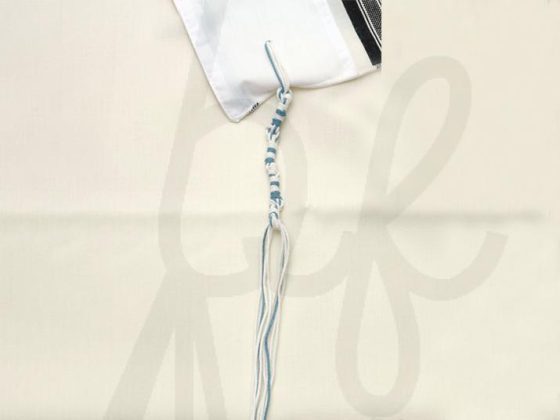
[בתמונה: מצוות תפילין… התמונה נוצרה והועלתה לויקיפדיה ע”י Chesdovi והיא נחלת הכלל]
אבי הראל הוא בעל תואר שלישי בפילוסופיה והיסטוריה יהודית, שירת בצה”ל מג”ב ומשטרת ישראל שלושה עשורים, בתפקידי פיקוד שונים. בתפקידו האחרון היה ההיסטוריון של משטרת ישראל. פרסם ארבעה ספרים ועשרות מאמרים בתחומי עיסוקו.
 * * *
לקראת סופה של פרשת בא, אנו מוצאים את הפסוקים אשר עוסקים במצוות התפילין:
“וְהָיָה לְךָ לְאוֹת עַל יָדְךָ וּלְזִכָּרוֹן בֵּין עֵינֶיךָ, לְמַעַן תִּהְיֶה תּוֹרַת יְהוָה בְּפִיךָ, כִּי בְּיָד חֲזָקָה הוֹצִאֲךָ יְהוָה מִמִּצְרָיִם. וְשָׁמַרְתָּ אֶת הַחֻקָּה הַזֹּאת לְמוֹעֲדָהּ מִיָּמִים יָמִימָה”, “וְהָיָה לְאוֹת עַל יָדְכָה וּלְטוֹטָפֹת בֵּין עֵינֶיךָ, כִּי בְּחֹזֶק יָד הוֹצִיאָנוּ יְהוָה מִמִּצְרָיִם” [1].
כבר מעיון ראשון אנו רואים שבמקרא השם תפילין איננו בנמצא, והשם הוא טוטפות. בדברים הבאים לא נעסוק בהיבט ההלכתי של התפילין אלא בתולדתם, אבל פטור בלי כלום אי אפשר, ולהלן מבוא הלכתי קצר.
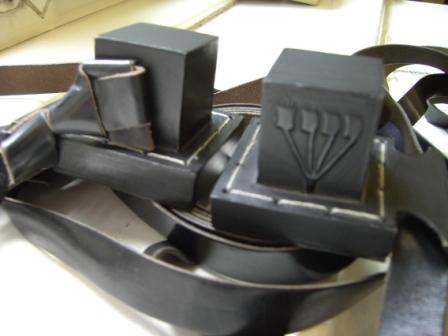
[בתמונה: מצוות תפילין… התמונה נוצרה והועלתה לויקיפדיה ע”י משתמש כיכר השבת, והיא נחלת הכלל]
תפילין מהן?
תפילין הן תשמיש קדושה העשוי מעור ומכיל קלף עליו רשומות ארבע פרשיות מהתורה, ומשמש לקיומה של מצוות הנחת תפילין.
על פי ההלכה מניחים את התפילין ביום ולא בלילה, בימי חול ולא בימי שבת וחג, ונשים פטורות מהמצווה. מצוות הנחת תפילין חלה בעיקרה במשך כל היום, אך כיום נהוג להניחן רק במהלך תפילת שחרית, ולעיתים בתפילת מנחה בימי צום. התפילין מכילות שתי יחידות עצמאיות תפילין של יד ותפילין של ראש.
ההלכה קובעת שהמניח את תפילין צריך להקפיד באופן מיוחד שלא לפגוע בקדושתן כל עוד הוא מניחן. הקפדה זו הביאה לנוהג לפיו מתחילים להניח תפילין רק סמוך לגיל בר המצווה, בניגוד למצוות אחרות, אליהן מחנכים ילדים מגיל צעיר. בכך הפכו התפילין לאחד הסמלים העיקריים של טקס בר המצווה.
מתי החלו להניח תפילין? לכאורה שאלה טריוויאלית, היות שעל פי התפיסה המסורתית ביהדות, מקור מצוות התפילין ופרטי ההלכות הקובעות את צורתם, הוא במסורת שעברה לאורך הדורות בלא שינוי מאז מתן תורה בסיני [2]. יש מקום לשער כי חפץ בשם תפילה היה קיים כבר בתקופת המקרא. בתעודה אוגריתית, מוזכרת תפילה המונחת על הראש בין עיניו של המניח [3].
בתעודה ארמית של יהודי מיב, מתחילת המאה השלישית לפני הספירה, מוזכרת תפילה של כסף. כך או אחרת ברור שמצוות תפילין נהגה בישראל בתקופה שלפני התנאים, היות והן נמצאו בקומראן וגם הוזכרו באיגרת אריסטיאס [4] (ראו תמו ה למטה):” ועל כן רק אחר הקרבת ראשית המאכלות והמשקים לאלוהים הוא מתיר הנאתם: ועוד נתן לנו אות זיכרון בכנפות בגדינו וכן ציוונו לקבוע בשערים ובפתחים את הפרשיות למען נזכור מציאות אלוהים: ואף ציווה בדברים ברורים לקשור את האות סביב היד: והוא מראה אל נכון כי כל פעולה צריכה להיעשות בצדק ולזכור את תכונת עצמנו ויותר מכל יראת אלוהים”[5].

[בתמונה: איגרת אַרִיסְטֵיאַס היא חיבור יהודי-הלניסטי פסאודונימי (מחברו לא ידוע, והוא מיוחס למחבר בדוי: “אריסטיאס”), אשר נכתב בשפה היוונית במצרים, ככל הנראה באמצע תקופת בית שני, במאה השנייה לפנה”ס, וככזה היא נמנית עם “הספרים החיצוניים”, הספרות היהודית מתקופת בית שני שלא נכנסה לקאנון המקראי. החיבור מתאר מספר אירועים מתקופת תלמי השני פילדלפוס מלך מצרים, כמו את מעשה תרגום התורה (חמשת ספרי התורה) ליוונית הנקרא תרגום השבעים, את רשמי ביקורו של “אריסטיאס” בבית המקדש שבירושלים בהקשר לכך, ומספר אירועים נוספים מתקופתו. האיגרת היא האזכור הקדום ביותר של הספרייה הגדולה של אלכסנדריה. התמונה מתארת את תלמי השני מדבר עם חלק מהמלומדים שתרגמו את התנ”ך. ציור של Jean-Baptiste de Champaigne, משנת 1672, ארמון ורסי. התמונה היא נחלת הכלל]
התפילין גם נזכרות בברית החדשה בבשורה על פי מתי: “וְעֹשִׂים אֶת כָּל מַעֲשֵׂיהֶם לְהֵרָאוֹת בָּהֶם לִבְנֵי אָדָם כִּי מַרְחִיבִים אֶת תְּפִלֵּיהֶם וּמַאֲרִיכִים אֶת צִיצִיּוֹתֵיהֶם” [6].
ממקורות אלה וממקורות נוספים שלא הובאו כאן מקוצר היריעה עולה כי מצוות תפילין הייתה מקובלת ביהדות על כיתותיה השונות: פרושים, אנשי כת מדבר יהודה, ויתכן שאף כת הבייתוסיים [7].
לפי עדויות אחרות, גם העם הפשוט קיים את מצוות תפילין והד לדבר אנו מוצאים במסכת גיטין, שבה נאמר כי ארבעים סאה של תפילין נמצאו בראשי הרוגי העיר ביתר [8]. על פי הממצא הארכיאולוגי נמצאו שרידים של תפילין במערות שבהן הסתתרו לוחמי בר כוכבא, בוואדי מרבעאת ובנחל צאלים.
ככלל, תפילין נחשבו לאחת המצוות החשובות ביותר, ששונאי ישראל גזרו על אי קיומן: “פעם אחת גזרה מלכות רומי הרשעה גזירה על ישראל שכל המניח תפילין ינקרו את מוחו והיה אלישע מניחם ויוצא לשוק ראהו קסדור אחד רץ מפניו ורץ אחריו וכיון שהגיע אצלו נטלן מראשו ואחזן בידו אמר לו מה זה בידך אמר לו כנפי יונה פשט את ידו ונמצאו כנפי יונה לפיכך קורין אותו אלישע בעל כנפים”[9].
עדויות מתקופת התלמוד מעידות על קיום מצוות תפילין בבבל: “אמר רב חננאל אמר רב תיתורא דתפילין הלכה למשה מסיני אמר אביי מעברתא דתפילין הלכה למשה מסיני ואמר אביי שי”ן של תפילין הלכה למשה מסיני וצריך שיגיע חריץ למקום התפר”[10].
גם אב הכנסייה הירונימוס [11], מעיד על קיום מצוות תפילין ביהדות הודו, פרס ובבל בימיו.
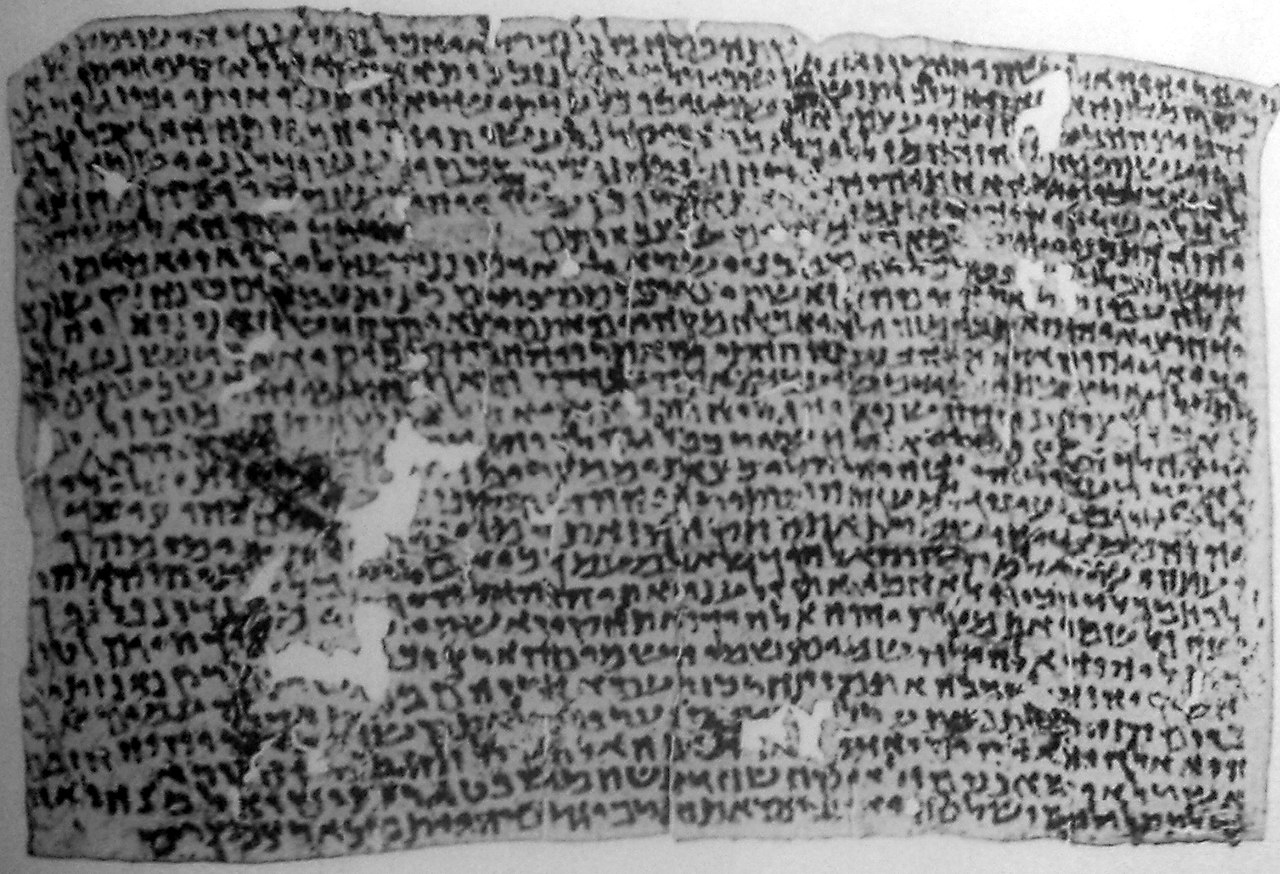
[בתמונה: יריעה מתפילין שנמצאו בקומראן, ביריעה פרשת “קדש לי כל בכור” ופרשיות נוספות. המקור והמעלה לויקיפדיה: יגאל ידין. אנו מאמינים שאנו עושים בתמונה שימוש הוגן]
אולם כנגד עדויות אלו, קיימים מקורות אחרים האומרים כי היו יהודים שלא הקפידו על הנחת תפילין, וביניהם – עמי ארצות:
“תנו רבנן (שנו חכמים), איזהו עם הארץ? כל שאינו קורא קריאת שמע ערבית ושחרית דברי ר’ אליעזר, רבי יהושע אומר כל שאינו מניח תפילין” [12], ופושעי ישראל:” פושעי ישראל בגופן מאי ניהו(מי הם)? אמר רב קרקפתא(קרקפת) דלא(שלא) מנח תפלין”[13].
ההתרשלות האמורה במצוות תפילין מוסברת בכך שישראל לא מסרו נפשם לקיימה בזמן גזירות המלכות כנגד קיום מצצות היהדות: “תניא רבי שמעון בן אלעזר אומר כל מצוה שמסרו ישראל עצמן עליהם למיתה בשעת גזרת המלכות כגון עבודת כוכבים ומילה עדיין היא מוחזקת בידם וכל מצוה שלא מסרו ישראל עצמן עליה למיתה בשעת גזרת המלכות כגון תפילין עדיין היא מרופה בידם” [14]. הרציונל בדבריו של רבי שמעון בן אלעזר מעניין, ואכן יש עדויות האומרות שעצם הנחת התפילין אינה אלא מעשה של חסידות גרידא:” אמר רב ששת תיתי לי (תבוא עלי ברכה) דקיימית (שקיימתי) מצות תפילין”[15].
בספרות הגאונים, שהחלה במאה השישית לספירה, והסתיימה במחציתה של המאה ה – 11 לספירה, יש עדויות על הזנחתה של מצוות תפילין, ואף הובאה התנגדות הלכתית לכך שכל אחד יניח תפילין, היות והנחה זו מצריכה גוף נקי, וקשה לאדם לשמור עצמו בטהרה [16].
הד לעובדה שמצוות תפילין הייתה רופפת בציבור אבל לשמוע בדבריו של ר’ משה מקוצי [17], שהחזיר בתשובה רבים מיהודי ספרד, בשנת 1236, והם שבו לשמור מצוות תפילין ציצית ומזוזה. במאות השנים האחרונות כמו גם בתקופתנו אנו, מנהג התפילין מזוהה עם טקס חגיגת הבר מצווה, והנחתם היא דבר מקובל ונפוץ בקרב שומרי המסורת.
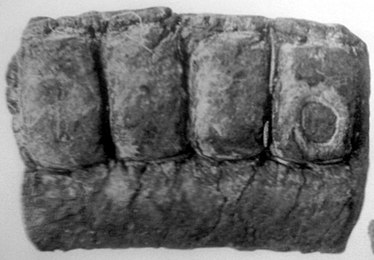
[בתמונה: קציצת תפילין שנמצאה בקומראן במבט מלמעלה. המקור והמעלה לויקיפדיה: יגאל ידין. אנו מאמינים שאנו עושים בתמונה שימוש הוגן]
אחרית דבר
מצוות הנחת תפילין נלמדת מהלשון המקראית, הן בפרשת בא והן מתוך הפסוקים המצויים בספר דברים. ברם, לפי פשט הפסוקים אין כוונתם לחפצים ממשיים, אלא למטאפורה של זכירה. ברם, בעת הקדומה היה נוהג לקשור חפצים שונים לגוף כאותות של הזדהות וזיכרון, ובעיקר המדובר היה על קמיעות מסוגים שונים.
למרות שלכאורה יש דמיון רב בין קמעות אלה לתפילין, הרי שאין אלה פני הדברים, ותפילין לא שימשו כקמיע להגנה נגד מזיקים.
מתי החלו להניח תפילין? על פי המסורת המדובר בציווי עתיק שמקורו במתן תורה. בניגוד לכך לפי חלק מהחוקרים, בימי בית שני הודגש הצורך להפוך את המטאפורה של הכתובים לדבר ממשי, שמאמצעותו יהיה ניתן לקשור את דברי התורה לגוף האדם פיזית. חז”ל קבעו שהפרשיות של התורה הקיימות בתוך התפילין יהיו טקסים הרחוקים מהיבט מאגי, וכך הם ביטלו את הזיקה החיצונית בין הקמיעות לתפילין.
האם ניתן לקבוע בוודאות מתי החלו להניח תפילין? קשה לענות על כך באופן וודאי. כיום מצוות התפילין הינה סמל מוחשי יהודי, אותו פוגשים לראשונה בדרך כלל בטקס בר המצווה, ובניגוד לעבר, מצוות התפילין כיום נפוצה ונשמרת על ידי חלקים גדולים של העם היהודי.
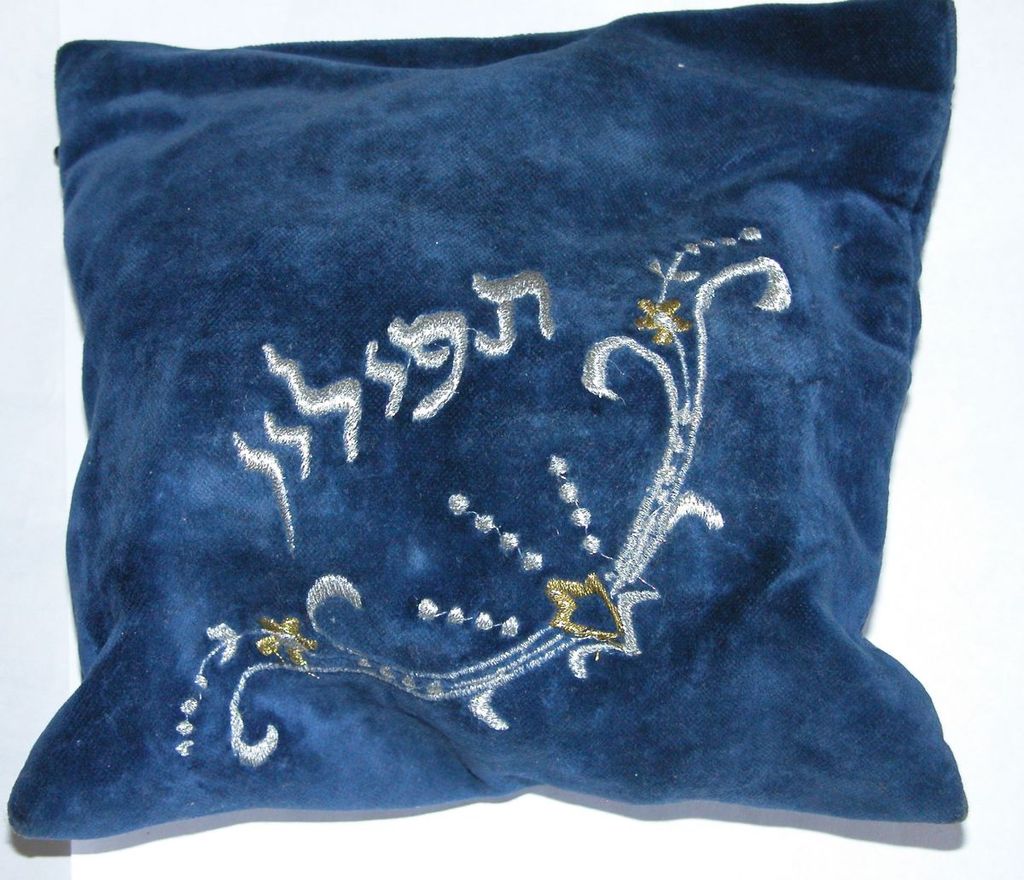
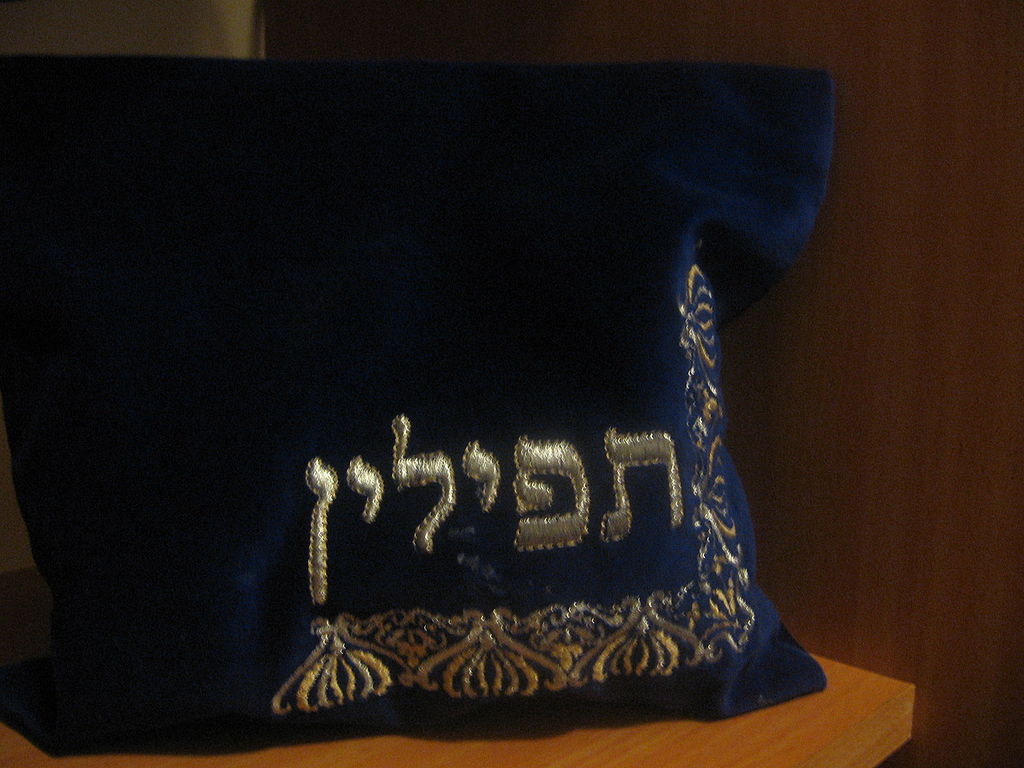
[בתמונה: מצוות תפילין… התמונה נוצרה והועלתה לויקיפדיה על ידי Effi B. קובץ זה הוא בעל רישיון Creative Commons להפצה, תחת רישיון זהה, גרסה: CC BY-SA 3.0]
English Translation:
The excerpt provided discusses the mitzvah of donning tefillin, presenting historical, textual, and halachic perspectives. Here’s the requested “mareh it” translation, following the original tone and content:
yehezkeally@gmail.com / January 24, 2023
Summary: The mitzvah of tefillin derives from the Biblical text, both in this week’s parsha and from verses in Sefer Devarim. However, a straightforward reading of the verses suggests they refer to a metaphor for remembrance rather than actual physical objects. Nonetheless, in ancient times, it was customary to tie various objects to the body as symbols of identification and memory, often in the form of different types of amulets.
In the picture: The mitzvah of tefillin… The image was created and uploaded to Wikipedia by Chesdovi and is in the public domain.
Dr. Avi Harel holds a Ph.D. in philosophy and Jewish history. He served in the IDF, the Border Police, and the Israel Police for three decades, holding various command positions. In his last role, he was the historian of the Israel Police. He has published four books and dozens of articles in his fields of expertise.
Toward the end of Parshas Bo, we find verses discussing the mitzvah of tefillin:
“And it shall be for a sign upon your hand and for a remembrance between your eyes, so that the Torah of Hashem will be in your mouth, for with a strong hand Hashem brought you out of Egypt. And you shall keep this ordinance at its appointed time from year to year.”
“And it shall be for a sign upon your hand and for frontlets between your eyes, for with a strong hand Hashem brought us out of Egypt” [1].
At first glance, it is evident that in the Torah, the term “tefillin” is not used; instead, the term “totafos” appears. The following discussion will not delve into the halachic aspects of tefillin but rather their origins. However, a brief halachic introduction is necessary.
In the picture: The mitzvah of tefillin… The image was created and uploaded to Wikipedia by a user named “Kikar Hashabat” and is in the public domain.
What Are Tefillin?
Tefillin are sacred items made from leather, containing parchment upon which four Torah sections are written. They are used to fulfill the mitzvah of donning tefillin.
According to halacha, tefillin are worn during the day and not at night, on weekdays and not on Shabbos or Yom Tov. Women are exempt from the mitzvah. While the mitzvah applies throughout the day, the common practice today is to wear them only during Shacharis, and occasionally during Mincha on fast days. The tefillin consist of two separate units: tefillin shel yad and tefillin shel rosh.
Halacha mandates meticulous care to avoid desecrating their sanctity while wearing them. This has led to the custom of starting to don tefillin close to the age of bar mitzvah, as opposed to other mitzvos, which children are educated to perform from a younger age. Thus, tefillin have become one of the central symbols of the bar mitzvah ceremony.
When Did People Begin to Don Tefillin?
This question might seem trivial since, according to traditional Jewish understanding, the mitzvah of tefillin and its detailed laws have been transmitted unchanged since Matan Torah at Har Sinai [2]. It is plausible that an object referred to as “tefillah” already existed during Biblical times. In a Ugaritic document, there is mention of a tefillah placed on the head between the eyes of the wearer [3].
In an Aramaic document from Jewish Elephantine, dating to the early 3rd century BCE, there is a reference to a silver tefillah. Regardless, it is clear that the mitzvah of tefillin was observed by the Jewish people before the Tannaitic era, as they were found in Qumran and mentioned in the Letter of Aristeas [4] (see illustration below):
“Thus, only after presenting the first fruits of foods and drinks to God is their consumption permitted. Furthermore, He gave us a memory sign on the corners of our garments and commanded us to affix the Scriptures to gates and doorposts so that we remember God’s presence. He also clearly commanded us to tie the sign around our hand, indicating that every action must be conducted justly, remembering our nature and, above all, fearing God” [5].
In the picture: The Letter of Aristeas is a Jewish-Hellenistic pseudonymous work (its author is unknown and attributed to a fictional figure named “Aristeas”). It was written in Greek in Egypt, likely during the mid-Second Temple period, in the 2nd century BCE, and is classified among the “Apocrypha”—Jewish literature from the Second Temple period that was not included in the Biblical canon. The work describes several events from the time of Ptolemy II Philadelphus, King of Egypt, including the translation of the Torah (the Five Books of Moses) into Greek, known as the Septuagint, the account of “Aristeas” visiting the Beis HaMikdash in Yerushalayim in this context, and other events from that era. The Letter of Aristeas contains the earliest known reference to the Great Library of Alexandria.
The image depicts Ptolemy II speaking with some of the scholars who translated the Torah. Painting by Jean-Baptiste de Champaigne, 1672, Palace of Versailles. The image is in the public domain.*
Tefillin are also mentioned in the New Testament, in the Gospel of Matthew:
“And they do all their deeds to be seen by men; for they broaden their tefillin and lengthen their tzitzis” [6].
From these and other sources not cited here for brevity, it emerges that the mitzvah of tefillin was accepted among various Jewish sects, including the Perushim (Pharisees), the Yachad sect of Qumran, and possibly even the Baitusim (Boethusians) [7].
According to other testimonies, even the general populace observed the mitzvah of tefillin. A clear proof of this is found in Maseches Gittin, where it is recorded that forty se’ah of tefillin were found on the heads of those slain in the city of Beitar [8]. Archaeological evidence also supports this, as remnants of tefillin were discovered in caves where Bar Kochba’s fighters hid, as well as in the caves of Wadi Murabba’at and Nahal Tze’elim.
Generally speaking, tefillin were regarded as one of the most significant mitzvos, and enemies of Israel specifically decreed against their observance. The Roman Empire, for instance, forbade their use:
“Once, the wicked kingdom of Rome issued a decree against Israel that anyone who wore tefillin would have his brain gouged out. Elisha was wearing them and went out to the marketplace when a Roman officer saw him and chased him. Elisha fled, but when the officer caught up to him, he quickly removed his tefillin and held them in his hand. The officer asked, ‘What is that in your hand?’ Elisha answered, ‘Wings of a dove.’ He opened his hand, and miraculously, it was indeed the wings of a dove. For this reason, he was called Elisha Ba’al Kenafayim (Elisha the Master of Wings)“ [9].
Tefillin in the Talmudic Era
Talmudic-era sources testify that the mitzvah of tefillin was observed even in Bavel (Babylonia):
“Rav Chananel said in the name of Rav: The base of the tefillin (titura) is a Halacha leMoshe miSinai (an oral tradition from Sinai). Abbaye said: The passageway of the tefillin (ma’avarta) is also Halacha leMoshe miSinai. Abbaye further said: The letter Shin on the tefillin is also Halacha leMoshe miSinai, and the incision must reach the stitching line” [10].
Even the Church Father Jerome (Hieronymus) [11] attested that the mitzvah of tefillin was observed among Jews in India, Persia, and Babylonia during his time.
In the picture: A tefillin scroll found in Qumran, containing the parsha of “Kadesh Li Kol Bechor” and other sections. Source and uploader to Wikipedia: Yigael Yadin. We believe this image is used under fair use principles.
However, despite these testimonies, other sources indicate that there were Jews who were lax in observing tefillin. Among them were amei ha’aretz (unlearned Jews):
“The sages taught: Who is considered an am ha’aretz? One who does not recite Krias Shema in the morning and at night—these are the words of Rabbi Eliezer. Rabbi Yehoshua says: One who does not wear tefillin” [12].
And even among Pushei Yisrael (Jewish transgressors):
“Who are the transgressors of Israel in their bodies? Rav said: One who has a ‘bare head’ (karkafah) because he does not wear tefillin” [13].
This laxity regarding the mitzvah of tefillin is explained by the idea that Jews did not risk their lives to observe it during periods of persecution, unlike other mitzvos:
“Rabbi Shimon ben Elazar taught: Any mitzvah for which Jews were willing to sacrifice their lives during periods of governmental decrees—such as idolatry and bris milah—remains steadfastly observed by the Jewish people. However, any mitzvah for which Jews did not risk their lives—such as tefillin—has become weakened in practice” [14].
His rationale is interesting, and indeed, there are sources suggesting that wearing tefillin was considered an act of piety rather than an absolute obligation:
“Rav Sheshet said: May a blessing come upon me, for I have fulfilled the mitzvah of tefillin” [15].
Decline in Tefillin Observance
In the era of the Geonim (6th–11th centuries CE), there are reports of a decline in the observance of tefillin, and even halachic opposition to every Jew donning them. This was due to the requirement that one must maintain a clean body while wearing them, which was difficult to uphold [16].
A hint of this weakening observance is found in the writings of Rabbi Moshe of Coucy (Sefer Mitzvos Gadol, 1236 CE) [17], who brought many Jews in Spain back to teshuvah, leading them to once again observe the mitzvos of tefillin, tzitzis, and mezuzah. In recent centuries and into our times, tefillin are closely associated with the bar mitzvah ceremony, and their observance is widespread among traditional and observant Jews.
In the picture: A fragment of tefillin found in Qumran, viewed from above. Source and uploader to Wikipedia: Yigael Yadin. We believe this image is used under fair use principles.
Conclusion
The mitzvah of tefillin is derived from Biblical language, both in Parshas Bo and in Sefer Devarim. However, based on the simple reading of the text, the intent does not seem to refer to actual objects, but rather to a metaphor for remembrance. Nonetheless, in ancient times, people would tie various objects to their bodies as signs of identification and memory, primarily in the form of different types of amulets.
Despite the apparent similarity between tefillin and amulets, they are fundamentally different, as tefillin were never meant to function as protective charms.
When did Jews begin to don tefillin?
According to tradition, this mitzvah is an ancient commandment from Matan Torah. However, some academic scholars suggest that during the Second Temple era, the need arose to transform the Biblical metaphor into a tangible practice, allowing a physical connection to Torah verses. Chazal ensured that the Torah passages within tefillin would serve as a religious observance rather than a superstitious practice, thus eliminating any external association between tefillin and amulets.
Can we determine with certainty when tefillin were first worn?
This remains difficult to definitively answer. Today, the mitzvah of tefillin is one of the most recognized Jewish symbols, first encountered during the bar mitzvah ceremony. Unlike in earlier times, tefillin observance today is widespread and maintained by a significant portion of the Jewish people.
In the picture: The mitzvah of tefillin… The image was created and uploaded to Wikipedia by Effi B. This file is licensed under Creative Commons for distribution under the same license, version: CC BY-SA 3.0.