Type of wearer: Mr., Politician
Affiliation: Dati Leumi, Modern Orthodox
Itamar Ben-Gvir did not come into public life through the usual yeshiva-world track, and he did not arrive looking polished. He came in through protest, confrontation, and the nationalist right. Born on May 6, 1976, in Mevaseret Zion, he grew up in a secular Mizrahi family with Iraqi and Kurdish roots. During the years of the First Intifada, he moved sharply right, first through Moledet and later through the Kahanist camp that shaped his early image.
A lot of Israelis first really noticed him in 1995. That was the year he appeared on television holding an ornament taken from Yitzhak Rabin’s car and made the remark that followed him for years afterward. Rabin was assassinated not long after. Ben-Gvir later studied law and built a career defending Jewish far-right activists. His legal record was not some passing episode that faded away.
That part of his record never really went away. In 2007, a court convicted him of incitement to racism and support for Kach.
Then Israeli politics kept moving, and he moved with it. By 2019, Otzma Yehudit was already his party. After the 2022 election, he was in the National Security Ministry. He walked out over the January 2025 ceasefire. Two months later, he returned.


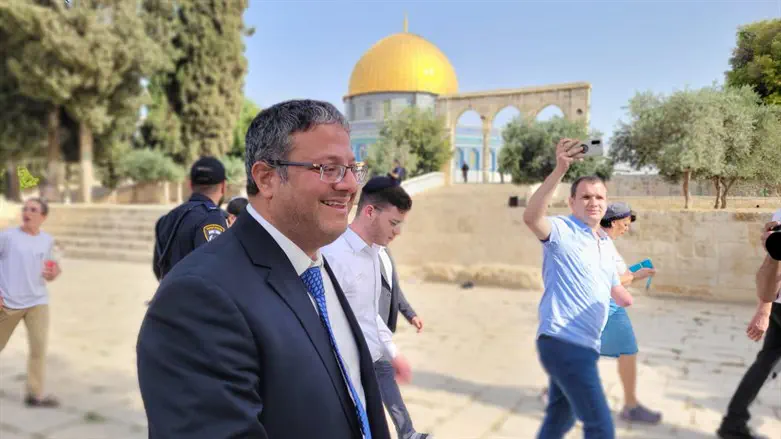
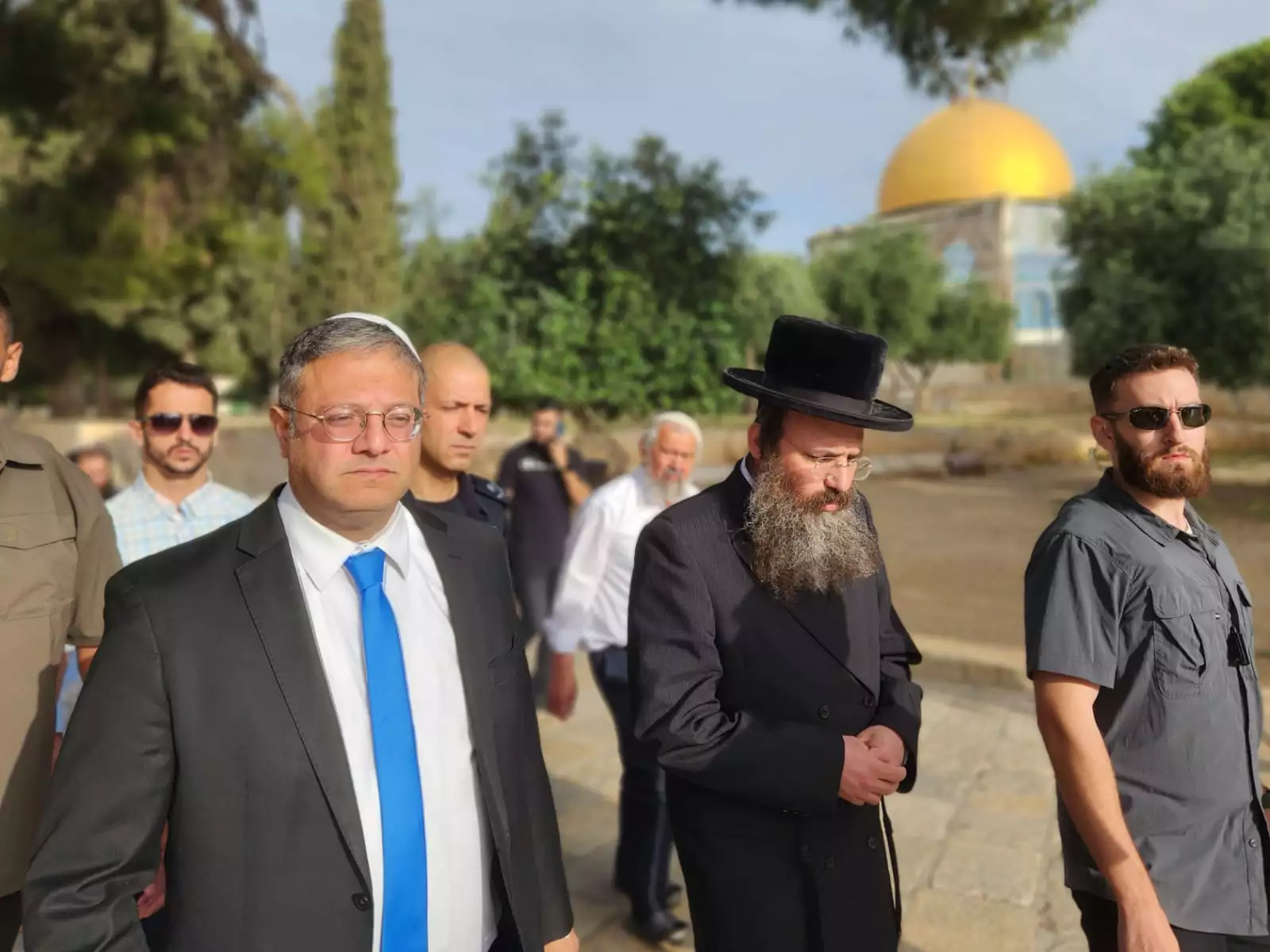
Office did not smooth him out. If anything, it gave the same old style a bigger stage. Ben-Gvir kept pushing a harder line on Palestinians, kept talking the way he talks, and kept making noise with his visits to Har HaBayis. People who like him call that clarity. People who cannot stand him call it provocation. He has never spent much energy trying to sound softer than he is.
He lives in Kiryat Arba with his wife, Ayal, alond with their six children. That matters because his politics are tied tightly to the life he presents. The ideology, the place he lives, the causes he chooses, the way he carries himself, it all runs together. Nothing about him is marketed as neutral.
He also wears techeiles in his tzitzis. On some people that would feel like a side detail. Here it fits. Ben-Gvir’s whole public image leans on visible Jewish and nationalist identity, and techeiles sits naturally inside that picture. It is not the main thing about him. Still, it says something. He does not really do half-measures.
What makes Ben-Gvir important is not that he shocks people. That part is old news. The real story is that a man once treated as too extreme for the mainstream now sits much closer to the center of Israeli power than his critics ever thought possible. That shift says plenty about him. It says just as much about the country that made room for him.
Minhagim
| Minhag | Minhag SubGroup | Fully or Partially? |
|---|---|---|
| Sepharadi | Full |