About Wearer
Translated from Wikipedia:
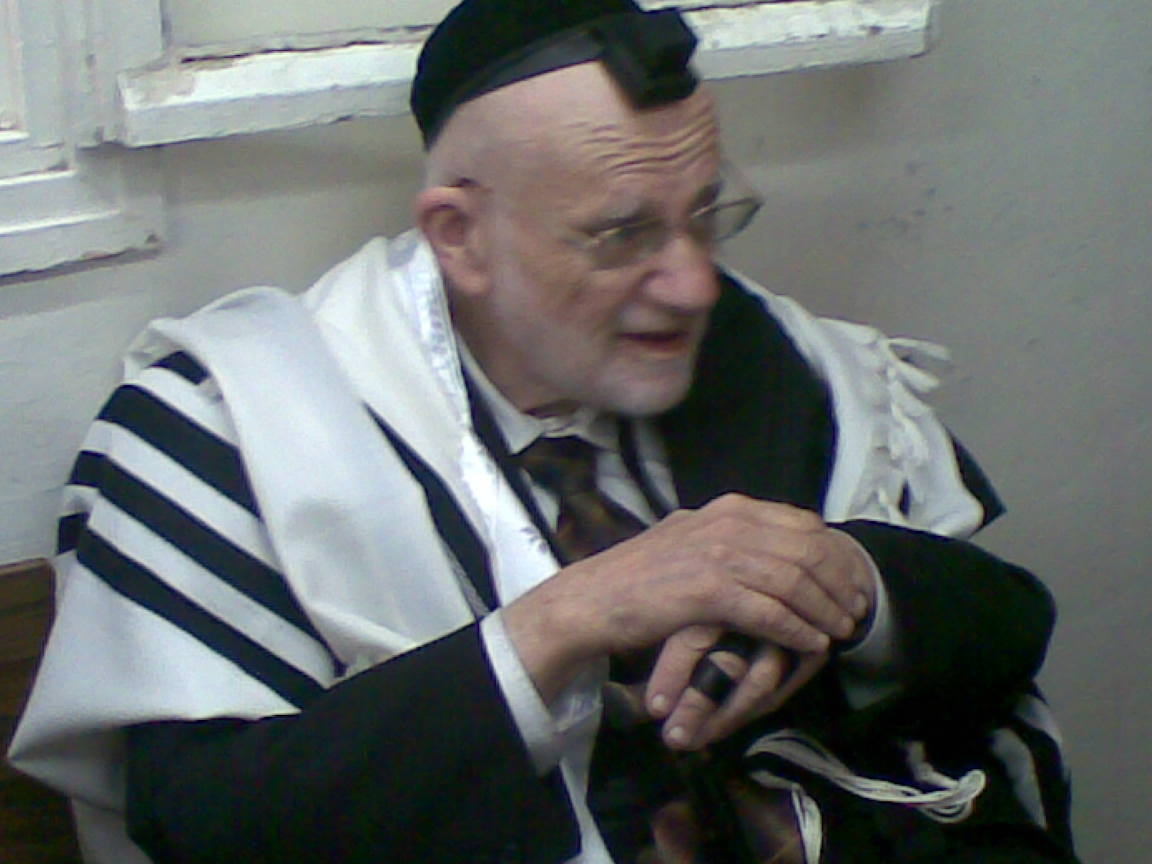
Rabbi Srayah Divlitzky (15 Shevat 5686 / January 30, 1926 – 2 Av 5778 / July 14, 2018) was a Lithuanian Haredi rabbi, posek, mekubal, grammarian, philologist, and prolific Torah author. His books cover a wide range of areas: halachah, Kabbalah, grammar, derashah, biographies, history, prayer texts, and piyyutim.
Biography
He was born in Riga, Latvia, to Devorah and Betzalel Yaakov, who had been close to Rabbi Avraham Yitzchak HaKohen Kook when he lived in Bauska.[1] In 5694 (1934), his family made aliyah and settled in Tel Aviv, where his father founded a candy factory called “Tz.D.” (the initials of Tzlal/Betzalel Diblitzky).[2] At about age 13, alongside his studies at Gymnasia Herzliya, he began learning with Rabbi Yechiel Yisraelov in the Gra synagogue on Yarkon Street, and also grew close to Rabbi Yosef Tzvi HaLevi, the Av Beis Din of Tel Aviv. At around age 15, his family moved to Jerusalem, where he began learning in Yeshivas Kaminetz and Yeshivas Chevron. He became close to Rabbi Dovid Beharan and Rabbi Yaakov Moshe Charlap. He developed as a spiritual disciple of the Gra of Vilna [clarification needed], as a mekubal, and as a grammarian. In addition, Rabbi Diblitzky also learned with mekubalim from the Sephardic communities of Jerusalem: Rabbi Mordechai Sharabi, Rabbi Ovadiah Hedaya, and Rabbi Mordechai Attiyah.
In 5705 (1945), he married Chayah (who passed away in 5754 / 1994), the daughter of Rabbi Chaim Ozer Yanovsky, rabbi of Agudas HaKormim.[3] He lived in Tel Aviv and later moved to Ramat Gan, where he learned in the “Slonim Yeshivah” established and headed by Rabbi Shabsai Yogel. He began drawing close to Rabbi Avraham Yeshayah Karelitz (the Chazon Ish), and would daven vasikin every day in the minyan in his home.
At around age 27, he moved to Bnei Brak. In 5717 (1957), he established in his home a fixed minyan for Shacharis vasikin at the time of the visibly observed sunrise.[4] From then until his passing, he published more than eighty works, some books and some pamphlets, on a very broad range of subjects. His seforim became widespread in the religious and Haredi public, and he was considered an authority in Kabbalah, minhagim, traditional Hebrew grammar, the laws of mourning, and the teachings of the Gra. His haskamos appear on many contemporary Torah works.
Rabbi Diblitzky had one son and two daughters. His son, Rabbi Dovid, is an editor of the literature of the early Ashkenazic Rishonim, including the Raavyah, the Raavan, Shaarei Dura, and Sefer HaYashar.
In the last year of his life he became seriously ill. He passed away on Friday night, 2 Av 5778, at age 92. He was buried in Kiryat Shaul cemetery next to his wife.[5]
Some of his practices
Rabbi Diblitzky followed many distinctive practices, because unlike the common approach of often ruling halachah from relatively later seforim such as the Shulchan Aruch, Rabbi Diblitzky would clarify the halachah from its earliest sources—Tanach, Mishnah, and Talmud. One example was his refraining from eating foods categorized as pas haba’ah b’kisnin, because the quantity over which one must make, according to some poskim, a berachah me’ein shalosh is the same quantity that, according to others, already requires Birchas HaMazon. Since if he ate a small amount he would be in doubt whether to make Borei Nefashos or Me’ein Shalosh, and if he ate a larger amount he would be in doubt whether to make Me’ein Shalosh or Birchas HaMazon, he would refrain and not eat such baked items at all, except during a meal in which he ate bread, where the mezonos items are covered by Birchas HaMazon on the bread.
Another distinctive custom of his was to daven Shacharis exactly at the time of the sunrise as actually visible in practice. בעקבותיו, many began doing the same (see references to some of these practices in the “Sefarim VeSofrim” forum).[6]
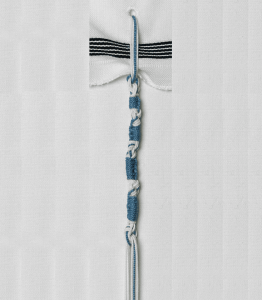
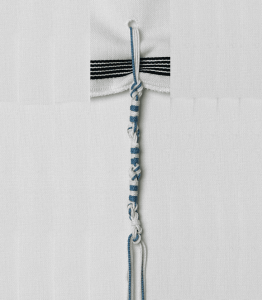
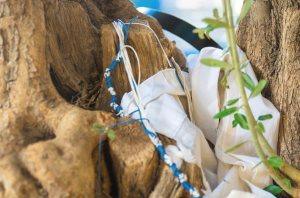
Rabbi Diblitzky used to place a thread of Techeiles (argaman kehah kotzim) in his tzitzis on his tallis katan, but not on his tallis gadol.[7] He also had the practice of wearing tefillin throughout the entire day, and even published seforim calling on others to do the same.
Rabbi Diblitzky was careful that there should be nothing false in the nusach of davening. For example, in Shir HaYichud for Sunday he would say “and we are on pure soil” instead of “impure soil,” because he was in Eretz Yisrael; and in Yekum Purkan he replaced the words “those in Bavel” with “those בכל אתר ואתר / in every place,” because nowadays there are no talmidei chachamim in Bavel.[8]
After the Six-Day War, he wanted to establish a day of thanksgiving, to be expressed by saying Hallel and setting a seudas mitzvah,[9] but later he retracted and noted that those words had been correct for their time.[10]
After the Knesset approved, in March 2014, the amendment to the Security Service Law dealing with drafting yeshivah students into the IDF,[11] he recited the berachah of “Baruch Dayan HaEmes” with Shem U’Malchus.[12]
His books
- Kuntres Achar Kosleinu — laws of tearing keriah over the city and the Mikdash, and matters related to the Kosel HaMa’aravi, Bnei Brak, 5727.
- Pe’er Yaakov — on the greatness of fulfilling the mitzvah of tefillin properly, Bnei Brak, 5727.
- Kuntres Eim LaMikra — on the entire Torah, the haftaros, and the megillos, Bnei Brak, 5732.
- Seder Tikkun Chatzos KeSeder HaArizal — with the relevant laws and a permanent chart for midnight and the time for Tikkun Chatzos, with appended laws of keriah over the Mikdash, Bnei Brak, 5732.
- Kuntres Masei Milchamah — responses and clarifications on mourning for missing soldiers of various kinds, and discussion of mourning at the time of gathering bones and transferring coffins, ahead of the transfer of war dead, Bnei Brak, 5734.
- Chukas Olam — an explanation of the Yom Kippur avodah according to Ashkenazic order; at the beginning are discussions about reading on Yom Kippur by candlelight, saying Ana Hashem in the confession of Ashamnu, and about Mussaf after seven hours on Yom Kippur, Bnei Brak, 5735.
- Sova Semachos — all the laws of sheva berachos, Bnei Brak, 5735.
- Kuntres Ari BaMistarim — biography according to the approach of Rabbi Shlomo Elyashiv, published for the fiftieth yahrzeit, 27 Adar 5686 – 27 Adar 5736, Bnei Brak, 5736.
- Y”ג Ma’amaros, Bnei Brak, 5737.
- Zikaron Betzalel — an extensive explanation in the laws of keriah, Yoreh Deah siman 340, being volume 1 of the memorial work for Rabbi Betzalel Yaakov Diblitzky, Bnei Brak, 5737.
- Arba’ah Sefarim Niftachim — including derashos for the Yamim Nora’im and festivals of the year 5738; matters of hagbah and gelilah; rulings and clarifications in the laws of Chanukah, second part; and Pesach Einayim HeChadash, second part, an explanation and sourcing of the kavanos in the Chanukah candle berachos in the siddur of the Rashash, Bnei Brak, 5738.
- Machzor Kol Bo HaShalem — explained by the sages of Ashkenaz, such as the Raavan; completely reorganized according to the Vilna print with a collection of halachos, added tefillos, assorted collections, and words of awakening, Jerusalem, 5743.
- Mesos Kol HaAretz — details of the custom of making aliyah l’regel even today to the Kosel HaMa’aravi, and the order of what should be said there, together with a warning about the prohibition against entering the entire area of Har HaBayis, Bnei Brak, 5743.
- Zeh HaShulchan — on matters of Orach Chaim and Yoreh Deah; at the end, glosses and notes to the Chafetz Chaim, Bnei Brak, 5746.
- U’Vchein Tzadikim — collected practices of more than one hundred tzaddikim for the Yamim Nora’im, with an accompanying Kuntres HaTeshuvah on the mitzvah of teshuvah, Bnei Brak, 5746.
- Derosh Darash, Bnei Brak, 5746.
- Tikkun Tefillah — detailing all the nuscha’os and tunes of the prayers and readings for the whole year, Bnei Brak, 5746.
- Kuntres HaTeshuvah — thoughts, notes, and insights on the mitzvah of teshuvah, Bnei Brak, 5746.
- Laws of Tish’ah B’Av when it falls on Sunday, and the laws of the preceding Shabbos, Bnei Brak, 5748.
- Yerushalayim Harim Saviv Lah — on determining the day of Purim in the neighborhoods of Ramot and Har Nof near Jerusalem, to observe there as cities of doubt, Bnei Brak, 5749.
- Kuntres Matzeves Even — explaining the warning of the Arizal not to erect a tombstone within seven days of burial, Bnei Brak, 5749.
- Machsheves Betzalel — a commentary on the introduction to Rechovos HaNahar of Rabbenu Shalom Sharabi, Jerusalem, 5752.
- Biurim L’Kitvei HaRashash zt”l, Bnei Brak, 5752.
- HaIgeres HaZos, Bnei Brak, 5757.
- Palgei Mayim — on the laws of fasts for rain and the berachos for rain as ruled in Tur and Shulchan Aruch Orach Chaim 221 and 575 and 579, as they should be practiced today, Bnei Brak, 5760.
- Purim Meshulash — laws and customs of Purim that falls on Friday and Shabbos in Jerusalem, unwalled cities, and doubtful cities, Bnei Brak, 5765.
- Binu Shenos Dor VaDor — biographies, wills, and practices of gedolei Yisrael, and enactments and customs followed in the Gra synagogue in Tel Aviv, Bnei Brak, 5766.
- Pesach Einayim HeChadash — an easy-language explanation of the Arizal’s kavanos in the siddur of the Rashash, with an opening collection on the importance of the kavanos and the rules of the siddur of the Rashash; eight parts in three volumes, Bnei Brak, 5768–5770.
- Kitzur Hilchos Moadim, Bnei Brak, 5766.
- Tena’im Tovim — conditions in the kavanos of the holy names and words of awakening, Bnei Brak, 5766.
- LaNefesh Tidreshenu — derashos for the Yamim Nora’im, Chanukah, Shovavim, on the Torah, and hespedim, in two parts.
- U’Zarach HaShemesh — customs of the vasikin minyan in Beis HaKnesses Tiferes Tzion, Bnei Brak.
- Ani L’Dodi — mussar and chizuk talks for Elul and the Yamim Nora’im.
- V’Hu B’Echad — explanation of kavanos in Krias Shema.
Besides his books, Rabbi Diblitzky published many articles on a wide range of topics in journals dealing with Jewish studies.
Derech Yesharah — after his passing, his student Rabbi Asher Porat published a sefer collected from his practices and writings.
External links
- David Tidhar (editor), “Rabbi Srayah Diblitzky,” in Encyclopedia of the Pioneers of the Yishuv and Its Builders, vol. 14 (1965), p. 4466
- Information on Srayah Diblitzky in the National Library catalog
- List of Srayah Diblitzky’s articles on the RAMBI website
- David Lang, “And I Have Been Sad and Chained, More Than a Thousand Years,” on the National Library blog HaSafranim, July 31, 2017
- Memorial thread in the Otzar HaChochmah forum
- Dvir Amar, “Accepted by All,” on Arutz 7, July 19, 2018
- All articles about Rabbi Srayah Diblitzky on Arutz 7
- “Srayah ben Betzalel Yaakov Diblitzky (1926–2018),” title page in the National Library
Footnotes
- David Tidhar (editor), “Betzalel Yaakov Tzablitzky,” in Encyclopedia of the Pioneers of the Yishuv and Its Builders, vol. 14 (1965), p. 4510; Rabbi Srayah Diblitzky, Zikaron Betzalel, Bnei Brak 5769, p. 4.
- Uri Avital, Mishot B’Mifalei HaCharoshes, Al HaMishmar, August 20, 1954, p. 4. The father financially supported the young Rabbi Shlomo Goren and his family (Gorontchik), through the mediation of his friend Chaim Nachman Bialik.
- “A remembrance for those who have gone: the great Rabbi Ch. O. Yanovsky z”l,” She’arim, November 26, 1958, p. 3.
- In this minyan he instituted distinctive customs. The customs of the minyan were collected in the sefer U’Zarach HaShemesh.
- “The monument on the grave of the mekubal from Bnei Brak • watch,” on Kikar HaShabbos, August 21, 2018.
- Rabbi Srayah Diblitzky on the Bechadrei Chareidim forum.
- “Techeiles in our times.”
- Regarding Shir HaYichud and regarding Yekum Purkan in the Otzar HaChochmah forum.
- “Establishing a day of thanksgiving after the Six-Day War,” article by Rabbi Diblitzky.
- Shome’a U’Mosif – Bein Pesach L’Atzeres (a collection of letters and responsa from Rabbi Srayah Diblitzky in an internal edition), p. 14.
- Security Service Law (Amendment No. 19), 5774–2014, Sefer HaChukkim 2442, March 19, 2014.
- “Rav Sh. Diblitzky on the draft law: ‘Baruch Dayan HaEmes,’” Bechadrei Chareidim.
From https://he.wikipedia.org/wiki/%D7%A9%D7%A8%D7%99%D7%94_%D7%93%D7%91%D7%9C%D7%99%D7%A6%D7%A7%D7%99:
הרב שְׂרָיָה דִבְלִיצְקִי (ט”ו בשבט ה’תרפ”ו, 30 בינואר 1926 – ב’ באב ה’תשע”ח, 14 ביולי 2018) היה רב חרדי ליטאי, פוסק, מקובל, מדקדק, פילולוג וסופר תורני פורה. ספריו עוסקים בתחומים מגוונים: הלכה, קבלה, דקדוק, דרשנות, ביוגרפיות, היסטוריה, נוסחאות תפילה ופיוטים.
ביוגרפיה
נולד בריגה שבלטביה לדבורה ולבצלאל יעקב, שהיה מקורב לרב אברהם יצחק הכהן קוק בעת שהתגורר בבויסק.[1] בשנת ה’תרצ”ד (1934) עלתה משפחתו לארץ והתיישבה בתל אביב, שם ייסד אביו מפעל לייצור ממתקים בשם “צ.ד” (ראשי תיבות של צלאל דבליצקי).[2] בהיותו כבן 13 במקביל ללימודו בגימנסיה הרצליה החל ללמוד אצל הרב יחיאל ישראלוב בבית הכנסת הגר”א שברחוב הירקון, והתקרב אף לרב יוסף צבי הלוי, אב”ד תל אביב. בהיותו כבן 15 עלתה משפחתו לירושלים, שם החל ללמוד בישיבת קמניץ ובישיבת חברון. התקרב לרב דוד בהר”ן ולרב יעקב משה חרל”פ. הוא התפתח כתלמיד רוחני של הגר”א מווילנה[דרושה הבהרה], כמקובל וכמדקדק. בנוסף, למד הרב דבליצקי גם אצל מקובלים בני עדות המזרח בירושלים: הרב מרדכי שרעבי, הרב עובדיה הדאיה והרב מרדכי עטיה.
בשנת ה’תש”ה נישא לחיה (נפטרה ה’תשנ”ד), בתו של הרב חיים עוזר ינובסקי, רב אגודת הכורמים.[3] התגורר בתל אביב ובהמשך עבר לרמת גן, שם למד ב”ישיבת סלונים” שהקים וניהל הרב שבתי יגל. החל להתקרב לרב אברהם ישעיהו קרליץ (בעל החזון אי”ש) ונהג להתפלל מדי יום תפילת ותיקין במניין שבביתו.
בהיותו כבן 27 עבר להתגורר בבני ברק. בשנת ה’תשי”ז יסד בביתו מניין קבוע לתפילת שחרית כותיקין בזמן הנץ החמה הנראה.[4] מאז ועד לפטירתו הוציא לאור יותר משמונים חיבורים, חלקם ספרים וחלקם קונטרסים במגוון רחב של נושאים. ספריו נפוצו בציבור הדתי והחרדי, והוא נחשב לאותוריטה בתחומי תורת הקבלה, המנהגים, הדקדוק העברי המסורתי, הלכות אבלות ותורת הגר”א. הסכמותיו מתנוססות על ספרים תורניים רבים בני זמננו.
לרב דבליצקי בן ושתי בנות. בנו, הרב דוד, הוא מהדיר ספרות ראשוני אשכנז, בהם הראבי”ה, הראב”ן, שערי דורא, ספר הישר.
בשנה האחרונה לחייו חלה במחלה קשה. נפטר בליל שבת ב’ באב ה’תשע”ח, בגיל 92. נטמן בבית העלמין קריית שאול, בסמוך לרעייתו.[5]
מהנהגותיו
הרב דבליצקי נהג בהנהגות ייחודיות רבות, כי בניגוד למקובל לעיתים קרובות לפסוק הלכה מתוך ספרים מאוחרים יחסית כדוגמת השולחן ערוך, נהג הרב דבליצקי לברר את ההלכה ממקורותיה הראשוניים – מקרא, משנה ותלמוד. דוגמה לכך היא הימנעותו מאכילת מאכלי “פת הבאה בכיסנין“, משום שהכמות שעליה יש לברך לדעת חלק מן הפוסקים ברכה מעין שלוש, זהה לכמות שלדעות אחרות מחייבת כבר בברכת המזון. מכיוון שאם יאכל כמות מעטה הוא יהיה בספק אם לברך ברכת בורא נפשות או ברכת מעין שלוש, ואם יאכל כמות מרובה יהיה בספק אם לברך ברכת מעין שלוש או ברכת המזון, הריהו נמנע ולא אוכל כלל מיני מאפה מעין אלו, למעט בסעודה שבה אכל פת, בה נפטרים מיני המזונות בברכת המזון על הפת.
מנהג ייחודי נוסף שלו היה להתפלל שחרית בדיוק בזמן הנץ החמה הנראה בפועל. בעקבותיו החלו רבים לנהוג כך (ראו אזכורים לחלק מההנהגות הללו בפורום “ספרים וסופרים”[6]).
הרב דבליצקי נהג להטיל פתיל תכלת (ארגמון קהה קוצים) בציציותיו בבגד הטלית הקטן, אך לא בטלית גדול.[7] נהג להניח תפילין לאורך כל היום, ואף פרסם ספרים הקוראים לאחרים לעשות כך.
הרב דבליצקי הקפיד על כך שבנוסח התפילה לא יהיה דבר שקר. למשל, בשיר הייחוד ליום ראשון היה אומר “ואנחנו על אדמה טהורה” תחת “אדמה טמאה”, משום שהוא נמצא בארץ ישראל, וביקום פורקן החליף את המילים “די בבבל” ב”די בכל אתר ואתר”, כי כיום אין תלמידי חכמים בבבל.[8]
לאחר מלחמת ששת הימים ביקש לקבוע יום הודיה, שיתבטא באמירת הלל ובקביעת סעודת מצווה[9] אולם לבסוף חזר בו וציין שהדברים היו נכונים לשעתם.[10]
לאחר האישור בכנסת, במרץ 2014, של התיקון לחוק שירות ביטחון שעסק בגיוס בני ישיבות לצה”ל,[11] בירך בשם ומלכות ברכת “ברוך דיין האמת“.[12]
ספריו
- קונטרס אחר כתלנו, דיני קריעה על העיר והמקדש ועניינים השייכים לכותל המערבי, בני ברק ה’תשכ”ז.
- פאר יעקב: במעלות קיום מצוות תפילין כהלכתה, בני ברק ה’תשכ”ז.
- קונטרס אם למקרא, על כל התורה, ההפטרות והמגילות, בני ברק ה’תשל”ב.
- סדר תקון חצות כסדר האריז”ל, עם הדינים השייכים ולוח תמידי של זמן חצות לילה ומיום זמן תיקון חצות. ונוסף בסופו הלכות קריעה על המקדש, בני ברק ה’תשל”ב.
- קונטרס מתי מלחמה: מכיל תשובות ובירורים בענייני אבלות על נעדרי מלחמה לסוגיהם, ובירור בענייני אבלות בשעת ליקוט עצמות והעברת ארונות, לקראת העברת הרוגי המלחמה, בני ברק ה’תשל”ד.
- חוקת עולם: והוא ביאור עבודת יוהכ”פ על סדר אשכנז, בהתחלתו באו בירורים בעניין קריאה ביוהכ”פ לאור הנר, והזכרת אנא ה’ בווידוי אשמנו, ובעניין תפלת מוסף לאחר שבע שעות ביוהכ”פ, בני ברק ה’תשל”ה
- שובע שמחות: כל דיני שבע ברכות, בני ברק ה’תשל”ה.
- קונטרס ארי במסתרים: תולדות לשיטת רבי שלמה אלישיב, יצא לקראת יום הזיכרון החמישים, כ”ז באדר ה’תרפ”ו – כ”ז באדר ה’תשל”ו, בני ברק ה’תשל”ו
- י”ג מאמרות, בני ברק ה’תשל”ז.
- זיכרון בצלאל: ביאור מקיף בהלכות קריעה יורה דעה סימן ש”מ והוא חלק א’ מספר הזיכרון לזכר רבי בצלאל יעקב דבליצקי, בני ברק ה’תשל”ז.
- ארבעה ספרים נפתחים: א. דרשות לימים נוראים וחגים דשנת ה’תשל”ח, ב. בענייני הגבהה וגלילה וכו’, ג. פסקים ובירורים בהלכות חנוכה חלק שני …, ד. פתח עיניים החדש חלק שני: ביאור וציון מקורות של הכוונות בברכות נר חנוכה בסידור הרש”ש, בני ברק ה’תשל”ח.
- מחזור כל בו השלם: מפורש על ידי חכמי אשכנז, כגון הראב”ן. סודר כולו מחדש לפי דפוס וילנא עם לקט הלכות, בתוספת תפילות, ליקוטים שונים ודברי התעוררות, ירושלים ה’תשמ”ג.
- משוש כל הארץ: … פרטי המנהג… לעלות לרגל גם בזמן הזה לכותל המערבי וסדר… מה שיש לומר שם…. ומכאן אזהרה…על האיסור…שלא להיכנס לכל שטח הר הבית, בני ברק ה’תשמ”ג.
- זה השלחן: בענייני ארח חיים ויורה דעה: ובסופו הגהות והערות לספר חפץ חיים, בני ברק ה’תשמ”ו.
- ובכן צדיקים: ליקוטי הנהגות של יותר ממאה צדיקים בימים נוראים, ונלווה אליו קונטרס התשובה: בענייני מצות התשובה, בני ברק ה’תשמ”ו.
- דרוש דרש, בני ברק ה’תשמ”ו.
- תקון תפלה: יפורטו בו כל נוסחאות ניגוני התפילות והקריאות לכל ימי השנה, בני ברק ה’תשמ”ו.
- קונטרס התשובה: הגיגים הערות והארות בעיני מצות התשובה, בני ברק ה’תשמ”ו.
- דיני תשעה באב שחל ביום א’ ודיני שבת שלפניו, בני ברק ה’תשמ”ח.
- ירושלים הרים סביב לה: בעניין קביעת יום הפורים בשכונת רמות והר נוף הסמוכות לירושלים … לנהוג שמה כערי הספיקות, בני ברק ה’תשמ”ט.
- קונטרס מצבת אבן: יבואר בו אזהרת האריז”ל שאין להקים מצבה בתוך ז’ לקבורה, בני ברק ה’תשמ”ט.
- מחשבת בצלאל והוא פירוש … על הקדמת רחובות הנהר לרבנו שלום שרעבי, ירושלים ה’תשנ”ב.
- ביאורים לכתבי הרש”ש זיע”א, בני ברק ה’תשנ”ב.
- האגרת הזאת, בני ברק, ה’תשנ”ז.
- פלגי מים: על הלכות תעניות הגשמים וברכות הגשמים … שנפסקו בטוש”ע אור”ח סי’ רכא וסי’ תקע”ה ותקע”ט כפי שצריך לנהוג בהם בזמן הזה, בני ברק ה’תש”ס.
- פורים משולש: דיני ומנהגי פורים שחל בער”ש ובשבת בירושלים בערי פרזות ובערי הספקות, בני ברק ה’תשס”ה.
- בינו שנות דור ודור: תולדות, צוואות והנהגות מגדולי ישראל, ותקנות ומנהגים שנהגו בבית הכנסת הגר”א בת”א, בני ברק ה’תשס”ו.
- פתח עיניים החדש: ביאור בלשון קלה על כוונות האריז”ל שבסידור הרש”ש, ובראשו לקט על חשיבותן של הכוונות, וכללי סידור הרש”ש, שמונה חלקים בשלושה כרכים, בני ברק ה’תשס”ח–ה’תש”ע
- קיצור הלכות מועדים, בני ברק תשס”ו.
- תנאים טובים: תנאים בכוונת השמות הק’ ועוד ודברי התעוררות, בני ברק ה’תשס”ו.
- לנפש תדרשנו, דרשות על ימים נוראים, חנוכה, שובבי”ם, על התורה, והספדים, שני חלקים.
- וזרח השמש מנהגי מנין ותיקין בביהכנ”ס תפארת ציון בני ברק.
- אני לדודי, שיחות מוסר וחיזוק לחודש אלול וימים נוראים.
- והוא באחד, ביאור כוונות בקריאת שמע
מלבד ספריו פרסם הרב דבליצקי מאמרים רבים במגוון נושאים בכתבי עת העוסקים במקצועות היהדות.
- דרך ישרה, לאחר פטירתו הוציא תלמידו הרב אשר פורת ספר המלוקט מהנהגותיו ומאמריו
קישורים חיצוניים
- דוד תדהר (עורך), “הרב שריה דבליצקי“, באנציקלופדיה לחלוצי הישוב ובוניו, כרך יד (1965), עמ’ 4466
- מידע על שריה דבליצקי בקטלוג הספרייה הלאומית
- רשימת המאמרים של שריה דבליצקי באתר רמב”י
- דויד לנג, והנני עגומה ועגונה, יותר מאלף שנה, בבלוג “הספרנים” של הספרייה הלאומית, 31.07.2017
- אשכול לזכרו בפורום אוצר החכמה
- דביר עמר, מקובל על כולם, באתר ערוץ 7, 19 ביולי 2018
- / כל הכתבות על הרב שריה דבליצקי, באתר ערוץ 7
 שריה בן בצלאל יעקב דבליצקי (1926-2018), דף שער בספרייה הלאומית
הערות שוליים
- דוד תדהר (עורך), “בצלאל יעקב צבליצקי“, באנציקלופדיה לחלוצי הישוב ובוניו, כרך יד (1965), עמ’ 4510; הרב שריה דבליצקי, זיכרון בצלאל, בני ברק תשס”ט, עמ’ 4.
- אורי אביטל, משוט במיפעלי החרושת, על המשמר, 20 באוגוסט 1954, עמ’ 4. האב תמך כלכלית ברב שלמה גורן הצעיר ומשפחתו (גורונצ’יק), בתיווכו של ידידו חיים נחמן ביאליק (יחיאל פריש וידידיה הכהן, האי”ש על העדה: סיפור חייו ופועלו של הרב אליהו יוסף שאר-ישוב כהן, חיפה תשע”ג, עמ’ 55 הע’ 66; שלמה גורן, בעוז ותעצומות, (אבי רט – עורך), הוצאת ידיעות אחרונות 2013, עמ’ 72-72).
- ‘זיכרון להולכים: הרה”ג ר’ ח. ע. ינובסקי ז”ל‘, שערים, 26 בנובמבר 1958, עמ’ 3.
- במניין זה הנהיג מנהגים ייחודיים. מנהגי המניין קובצו בספר “וזרח השמש”.
- המצבה על קברו של המקובל מבני ברק • צפו, באתר כיכר השבת, 21 באוגוסט 2018
- הרב שריה דבליצקי בפורום באתר בחדרי חרדים
- התכלת בימינו
- לעניין שיר הייחוד ולעניין יקום פורקן בפורום אוצר החכמה.
- קביעת יום הודיה לאחר מלחמת ששת הימים, מאמר הרב דבליצקי
- שומע ומוסיף – בין פסח לעצרת (אסופת מכתבים ותשובות מהג”ר שריה דבליצקי במהדורה פנימית) עמ’ יד.
- חוק שירות ביטחון (תיקון מס’ 19), התשע”ד-2014, ס”ח 2442 מ-19 במרץ 2014
- הגר”ש דבליצקי על חוק הגיוס: “ברוך דיין האמת”, בחדרי חרדים
Tying Method
| Method | String Ratio | URL |
|---|---|---|
| Ari"Zl 7-8-11-13 | Rambam | |
| GR"A | Raavad |
Minhagim
| Minhag | Minhag SubGroup | Fully or Partially? |
|---|---|---|
| Ashkenazi | Full |