String Ratios Discussed:
Tags:

Main Text
בספר “בנתיבי חסידות איזביצא-ראדזין” (כרך ב’ עמ’ 273) מובא מכתבו של ר’ יהושע מאיר קייטלגיסער הגבאי וממונה על הצביעה של האדמו”ר ר’ מרדכי יוסף (בן ר’ גרשון העניך), שכתב לר’ יצחק אייזיקהרצוג [ע”י אביו ר’ יואל הרצוג] וז”ל:
בעזהש”י יום ג’ בשלח שנת שוב”ע חיי”ם ברכ”ה, ראדזין
החיים והשלום יחדיו יצומדו על ראש כבוד
הרב המאה”ג שוחר טוב וכו’ כשת”מ
יצחק אייזיק הלוי נ”י הערצאג
אבד”ק פאריס
אחדשכ”ת! מכתבו הסגור מיום ד’ בא העבר, הערוך לכ’ אדמו”ר שליט”א, לנכון הגיע, והיות כי איננו בפה ביתו לשעה, שנסע מפה זה איזה ימים, ובידי יש כח למלאות דרישת כת”ה אבוא בזה להודיע כי החבילה של תכלת יקבל כת”ה ע”י פאסט ד’ חוטין חותם בתוך חותם, כדת תוה”ק, מוסגר בזה. ואשר כת”ה דורש הנהו לדעת, בכדי להודיע, שהתכלת הנמצא בפה הוא מתמצית דם החלזון ולא ממין צבע זולתו, ואנכי הנני היודע בטיב מלאכה הזאת הנני לבאר לפניו את כל מיני הסממנים המתערבים אל הדם החלזון וכל מי שיודע ומכיר מהות הסממנים ידע כי הנן כולם משוללי כל צבע ומראה כולם לבן, ומהם כמראה מים בעלמא, לבד הדם שהוא בעל מראה. דם החלזון הנמצא בתוך השלפוחית מראהו שחור כדיו וקרוש הוא עד כי ישבר ויהיו לרציצים מרוב חוזקו. הדם הזה שמים ביורה עבה מאוד ומצטרפים בה שחיקת ברזל היוצא מתחת המוריגה, וגם סם לבן הנקרא Potasz, ואחרי השהי’ בתוך הבערת אש גדולה וחזקה כשעות ארבעה או חמשה, עד כי התבערה בוערת חוצה ופנימה כאשה של גיהנם, אזי ניתכת הדם, הברזל השחוק והסם הלבן ויעשו לבתר אחד. אח”ז מריקים מתוך היורה העבה את כל המרקחת הזאת ומשימים אותה ביורה גדולה מאוד ומים צלולים הרבה עד מאוד ומבעירים אש תחת היורה הגדולה, והמרקחת הזאת עם המים הצלולים מתבשלים איזה ימים (דעת לנבון נקל כי מים צלולים מהצורך מדי פעם להוסיף ולשטוף כי טבע האש לכלות המים בכח הבישול). אח”ז שמים את כל התבשיל הזה על משמרת ומקבלים את המים הצלולים שהדם נתבשל בם ונשאר תצמית הדם כלול במו, היינו: המרק, ושמים אותו מרק שוב ביורה נקי’ על גבי האש ומתבשלת שוב זמן עד שנעשית ע”י הבישול גושית, ואח”ז מריקים אותה על גבי ספלים ומתדבקת בדופני ושולי הספלים גלדין גלדין ומסננים ושופכין המים מתוך הספלים ומקבלים את הגלדין הדקים והוא עיקר ותמצית הדם. מראה התמצית הוא כמראה מלח עבה ביומא דעננא דונקעלווייס חלק מזה המלח משימים לתוך יורה זכה ומים צלולים בצדה וגם סממנים היינו: Tartar deporat, Amani muriatie, Acid sulforie, ומשימים גם את הצמר הטווי לשם ציצית ולשם תכלת של מצוה. ומבעירים אש תחת היורה וכן שוהים עד שקולטת הצמר את הצבע מתוך היורה והמים נשארים ביורה. ושוהים שוב כשיעור הראוי ומכינים שוב יורה מלאה מים צלולים ומערבבים בתוך המים מעט מן הסמים הנ”ל, ומבעירים אש תחת היורה עד כדי חימום ושמים שוב הצמר הצבוע ומשהין אותו בכדי שיעור וזה גמר צביעתה כי אחרי שקלטה הצמר את הצבע ביורה, שבה הדם החלזון עם הסממנים, מחמת שטרודה למבלע לא פלטה על החוטין מראה הראוי. וחבוקה וטמונה בה ובזו היורה של מים חמים האחרונה מתעורר הגוון האמתי גם למעלה כמו שנמצא בלוע בתוך הצמר. זהו כל אופן עשיית הצבע וצביעת הצמר לתכלת של מצוה. באין יותר הנני המוקירו ומכבדו כערכו הרם בלתי מכירו דו”ש.
יהושע מאיר קייטלגיסער
הכותב בבית האדמו”ר שליט”א
הערה: בל יטעה הקורא בדברי שהתכלת נצבע פעמים, בראותו כי שמים פעם שנית הצבע אל תוך היורה, ידע, כי ביורה הזאת אין משימים שום צבע והוא רק לעורר את הצבע הקלוטה זה מכבר בצמר, שקלטה מהיורה שהושם בה הדם החלזון עם הסממנים כנ”ל. והמים הביורה השני’ הרי הם מים בעלמא והסם הניתן בה מעט מן המעט הוא רק לנקותה מכל סיג ורבק ולהעליתה בהירה וזכה.
ע”כ המכתב. (וע”ע שם עמ’ 328 מכתב אחר משנת תשי”ג על דרך הצביעה של ראדזין)
Roshei Teivos
כתחום הגדרה=כת”ה
אחר דרישת שלום כבוד תורתו = אחדשכ״ת
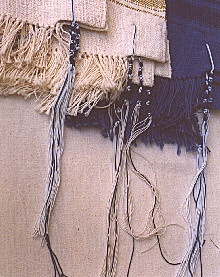
Photo: begedivri.com
English Translation
This is an incredible resource, in that this gives you the recipe. That said, I found out about the exact translation of the “mystery chemicals” below:
Tartar Deporat – (Cream of Tartar)
Amani Muriatie – Ammonia Chlorite – (Potassium Carbonite)
Acid Sulforie – (Sulfuric acid)
~RH
HISTORICAL RECORD OF DYEING PROCESS USED IN RADZIN
Radzyner Rebbe Recipe for Techeiles, as Communicated to R’ Isaac Halevi Herzog
In the book B’Nesivei Chassidus Izbitza-Radzin (Vol. 2, p. 273), and also a letter is brought from Rabbi Yehoshua Meir Keitelgisser, the gabbai and overseer of the dyeing process for the Rebbe, Rabbi Mordechai Yosef (the son of Rabbi Gershon Henoch). He wrote to Rabbi Yitzchak Isaac Herzog [via his father, Rabbi Yoel Herzog], as follows:
With the help of Hashem, Tuesday, Parshat Beshalach, in the year 5708 (26 January. 1913), Radzin,
May life and peace rest upon the head of the honorable Rabbi, the outstanding Torah scholar and seeker of goodness, etc., Rabbi Yitzchak Isaac HaLevi Herzog, Chief Rabbi of Paris, may he live and prosper.
I acknowledge receipt of your letter dated Wednesday, Parshat Bo, addressed to the Rebbe, shlit”a. As the Rebbe is currently away, having left town a few days ago, I am writing on his behalf. Since I have the authority to fulfill your request, I wish to inform you that the package of techeiles strings will be sent to you via post. It will be sealed within a seal, following the guidelines of Torah law.
Regarding your inquiry, I can confirm that the techeiles produced here is made from the extract of the chilazon’s blood and not from any other type of dye. As someone well-versed in this craft, I will explain the process in detail:
The blood of the chilazon is found inside its bladder and appears black like ink. It is thick and congealed, breaking into pieces due to its density. This blood is placed in a thick cauldron along with powdered iron from a grinding stone and a white substance called potash. The mixture is heated over a strong fire for four to five hours until the intense heat causes the materials to fuse into one substance.
This mixture is then transferred to a large cauldron filled with clear water and boiled for several days. Since the water evaporates during boiling, more water is periodically added. Afterward, the mixture is strained to separate the liquid from the remaining blood extract, which becomes a thick residue. This residue, referred to as “the soup,” is boiled again in a clean cauldron until it thickens further into a solid form. It is then poured into containers, where it adheres to the sides and bottom in thin layers. The liquid is drained off, leaving behind these layers, which are the essence of the blood.
The extract has the appearance of coarse salt with a slightly cloudy-white hue. Some of this extract is placed in a clean cauldron with clear water and specific chemicals, including Cream of Tartar, Potassium Carbonite, and sulfuric acid. At this stage, the spun wool intended for tzitzit and dyed for the mitzvah of techeiles is added. The wool absorbs the dye during this process.
In a subsequent step, the wool is placed in a new cauldron of clean water with a small amount of the chemicals to refine and brighten the existing color absorbed in the first stage. This step does not add any new dye but rather enhances the wool’s clarity and appearance.
This is the complete process for preparing the dye and dyeing the wool for techeiles.
With nothing further to add, I remain,
Respectfully,
Yehoshua Meir Keitelgisser
Writer in the home of the Rebbe, shlit”a
Note: The reader should not mistakenly think the wool is dyed twice. When the wool is placed in the second cauldron, no new dye is added. The purpose of the second step is only to enhance the existing color absorbed in the wool from the first cauldron, where the chilazon’s blood and chemicals were originally mixed. The water in the second cauldron is plain, and the small amount of chemicals added serves only to cleanse and brighten the wool.
This concludes the letter. (See also p. 328 for another letter from 1953 about the Radzin dyeing process.)
P.S. This procedure was authenticated by Rabbi G.H. Leiner’s nephew in a private communication to Rabbi I. Herzog in London in 1936.