String Ratios Discussed:
Tags:

Bottom Line
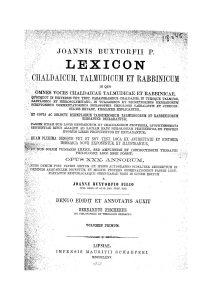
In his 1888 review of Ptil Techeiles, Chaim Zelig Slonimski says that identifying the Sepia as the ancient chilazon was not a new idea, and points readers to Buxtorf. But Buxtorf’s original entry identifies the dye creature as purpura. Only a footnote in the later annotated edition speculates that the Rambam’s description might refer to sepia or loligo. That footnote does not establish the identification Slonimski cites it for.
Slonimski’s main objection remains separate: even if we grant the Radzyner’s identification for argument’s sake, did he produce the same Techeiles used in the time of Chazal? Sepia ink is blackish, and adding ingredients to make it blue would not, by itself, prove that the result matches the ancient dye. His criticism is directed at the Radzyner’s Sepia dye, not the Murex.
Main Text
קרית ספר
מאמר
פתיל תכלת
והוא חלק שני למאמר „ספוני טמוני חול” אשר הוציא לאור בעזה״ש בשנת תרמ״ז שבו נתבאר מציאות התכלת בזמן הזה. ובחלק הזה יתבאר שהחלזון נמצא על פי הסימנים המבוארים מדברי חז״ל שהם נמצאים באותו חלזון הנמצא. שמורים באצבע שזה הוא החלזון שבדמו צבעו את התכלת לפנים בישראל למלאכת המשכן ולציצית, וגודל יקרתו אז וזמן העלמתו ולאיזה סבה נעלם, ודיני פרטי מראה התכלת והצביעה ובדיקה ומעלות התכלת וסגולותיה היקרים, ודיני הטלית בתכלת בציצית הכריכות והחוליות וקישורים וקונטרס שער התשובה לבאר קצת דברינו במאמרנו הראשון.
אשר העליתי והכינותי בעניני הצעיר וחדל באלפי ישראל
גרשון חנוך באאמו״ר הרב הגאון הקדוש מוה׳ יעקב
זללה״ה מאיזביצא.
הספר הזה, כפי שיראו הקוראים מן השער הרשום למעלה בלשונו, הוא חלק שני למאמר שקדם לו בשנת תרמ״ז. גם המאמר ההוא הגיע לידינו במועדו וראינו בו רק הקדמת דברים. בו יספר הרב המחבר כי זה שנים רבות שם אל לבו ענין מצות תכלת אשר בעוה״ר נמנעה מאתנו והיא אחד מהענינים אשר חדלנו טובה בגליותנו וטלטלנו טלטלה גבר, וכו׳ אכן ודאי ראוי ונכון לכל מי אשר יראת ה׳ נגעה בלבו להתבונן ולשים לב לחפש עד מקום שידו מגעת אולי יזכהו ה׳ להיות ממזכי הרבים להחזיר עבודת תפארת התכלת לישראל וכו׳. והולך ומפלפל להוכיח שבסוברים כי החלזון ודמו שצובעין ממנו התכלת יהיה גנוז עד עת קץ אינם אלא טועים אבל באמת מצות תכלת עומדת בתקפה ועלינו לקיימה בכל פרטיה לזאת “שנס מתניו לחפש ספוני טמוני חול וחקר ודרש מקום מציאות החלזון, וסימניו, ומראה התכלת” ואחרי אשר עזרהו השי״ת לברר הסימנים שעל ידם יוכר החלזון ודבר עם הרבה חכמי התורה וגדולי ישראל והסכימו לדבריו החל בזה ושלח לגלילות ים התיכון והובאה לו הבריה והיא ממינים הנקראים דגי דיו (דינט פיש) שיש בהם כתשעה עשר מינים ונראה לו שבמין אחד מהם נמצאו כל הסימנים הנ״ל שנתבארו מדברי חז״ל, ואם יעזרהו ה׳ לבוא לגלילות ים התיכון וישיגהו בעודנו חי אי”ה ינסה וישתדל בעזה״ר להוציא ממנו את צבע התכלת.
זה היה תוכן החוברת הראשונה. והנה להיות החוברת הזאת רק הקדמה ופתיחה לא נכנסה תחת גדר הבקרת. עתה יצא הספר השני ובו ברר ולבן הרב המחבר את כל המצאותיו ודעיתיו בחלק הזה יבאר איך בעזרת ה’ עמל ויגע ומצא את החלזון הנודע בזמן הקדמונים שהוא הנמצא עוד היום בים התיכון בשם
Sepia
והיא בל”א “טינטענפיש” ולזה “העמים עליו ליסע למרחקים ארחות ימים ובא לגבול ים התיכון במדינת איטליה בעיר נאפולי אשר שם מקום היותר נמצא כל חית הים ושם מקום אוסף חית ורמש הים תחת חבורת עושי שכר אגמי נפש, והוא כעין גדול של אבנים במעמקי ארץ על שפת ים התיכון, והוא שדרות בנינים חדרים בנוים מזכוכית לבנה ומי הים יחלפו תמיד חליפות, ובם כל חית הים הולכים חפשים ומתראים ע״י כותלי הזכוכית, ושם יתראה כל חיה בכל התהלוכותיה וסדר מאכלה והלוכה וכל פרטי מעשיה” (כונתו על האקוואריום המצויה כמעט בכל עיר גדולה). שם ראה את החלזון חי הולך חפשי ומצייר לנו תכונות גופו ואיבריו וכו׳ ומזה יוכיח שהחלזון שמצא הוא הוא אותו החלזון שדברו עליו חז״ל שדמו ראוי לתכלת וגם הוא מאריך לפלפל במראה התכלת, בדיני הצביעה, בענין בדיקת התכלת, במעלת התכלת וסגולותיה וכו׳ וכו׳.
והנה בגוף הענין מה שמצא הרב הנ״ל כי החלזון הוא הוא הסעפיא הנודע בימינו לא הביא לנו חדשות כי כבר קדמוהו בזה סופרי עמנו וגם סופרי הנוצרים בדורות שעברו (עיין בוקסטארף ערך חלזון ועיין ס׳ המשביר להח׳ שיינהאק ערך חלזון שאומר ג״כ שהחלזון הוא הנקרא בל״א טינטענפיש ועיין בס׳ המילים על הח׳ לעווי שהאריך לחקור בדבר ההשערות האלה בטוב טעם ודעת וכן גם יעוין במ״ע המגיד שנה ח׳ גליון א׳ מה שהביא חכם אחד ממ״ע רוסי ע״ד החלזון ומציאותו בימינו).
גם מה שיספר הרב „מתכונת צבעו של דג הזה, דמו, גידיו ועצמותיו וכל אבריו וכו׳” הוא נמצא בכל ספרי תולדות הטבע מצויר בתבנית גופו וגם דרכי חייו וכו׳ ודבר השימוש בצבעו לציורים יקרים נודע מאז, ובודאי נמצא החלזון לא רק באקוואריום הנעאפולי כי גם בתוך הביברים אשר בערים גדולות זולתה ובלי נסיעות רחוקות יוכל כל איש לראותו ולהתבונן עליו.
אבל עיקר השאלה בזה מה הועילנו הרב המחבר במציאותו זאת שגלה לנו. נניח שכן הוא כמו ששערו רבים וכמו שרמזו בעלי ערך המלים בלי אריכות יתרה, שהסעפיא שבים הוא הוא החלזון של הקדמונים, ומדמו היו צובעין צבע תכלת; אבל האם השיגה ידו גם הוא לצבוע מדמו צבע תכלת, והוא הוא התכלת שנהגו בו בזמן התלמוד? דם הסעפיא ידענו שהוא נוטה שחרחורת, והוא יקר מאד אצל הציירים עד היום, וכן הוא דעת הרמב״ם בענין צבע התכלת, ובכמה דוכתי בבבלי ובירושלמי, וכשצבעו בימיהם בדם חלזון היה שחרחורת כמו שהוא היום, וכמו שישתמשו בו הציירים, אבל לא מראה התכלת שאמר הרב הנ״ל שהוא „בלאה”? ואם יאמר הרב להכין את דם החלזון ע״י תערובות סממנים וצבעים זרים ולעשותו שיהיה מראהו לא שחרחורת כי אם בלאה, מי לידינו יתקע כי בצבע זה יכוון בדיוק אל הצבע שהשתמשו בו הקדמונים? זאת לא יוכיחו כל הפלפולים וההשערות התלויות בשערה.
ח”ז”ס
English Translation
Kiryas Sefer Article: Psil Techeiles by Chaim Zelig Slonimski
This is the second part of the work Sefunei Temunei Chol, which, with Hashem’s help, he published in the year 5647 [1887], in which he discussed the existence of Techeiles in our times.
In this part he explains that the chilazon has been found based on the identifying signs given in the words of Chazal, and that those signs are found in this particular creature. They point clearly, almost as if with a finger, that this is the chilazon whose blood was used in earlier times in Klal Yisrael to dye Techeiles for the Mishkan and for tzitzis.
He also discusses how highly valued it was in those days, when it disappeared and for what reason it disappeared; the detailed halachos concerning the appearance of Techeiles, the dyeing process and its testing; the special qualities and precious virtues of Techeiles; the halachos of a tallis with Techeiles in its tzitzis, including the windings, the chulyos, and the knots; and the kuntres Shaar HaTeshuvah, which explains some of the points discussed in his first work.
Compiled and prepared by me, the young and insignificant among the thousands of Israel,
Gershon Chanoch, son of my father and teacher, the holy gaon R’ Yaakov,
zt”l, of Izhbitza.
As the readers can see from the title page quoted above in the author’s own words, this sefer is the second part of an article that preceded it in the year 5647. That earlier article also reached us when it appeared, and we saw that it contained only introductory material.
There the author relates that for many years he had taken to heart the matter of the mitzvah of Techeiles, which, due to our many sins, has been withheld from us. It is one of the precious things we have lost through our galus and all the bitter wandering we have endured.
Nevertheless, he writes, it is certainly proper and fitting for anyone whose heart has been touched by yiras Hashem to think seriously about the matter and to search as far as his ability allows. Perhaps Hashem will give him the zechus to be among those who bring merit to the public by restoring the glorious avodah of Techeiles to Klal Yisrael.
He then goes on at length to prove that those who maintain that the chilazon and its blood, from which Techeiles is dyed, were hidden away until the End of Days are simply mistaken. Rather, the mitzvah of Techeiles remains fully in force, and it is upon us to fulfill it in all its details.
For this reason, he “girded his loins to search for the hidden treasures of the sand,” and investigated and researched where the chilazon is found, its identifying signs, and the appearance of Techeiles.
After Hashem helped him clarify the signs by which the chilazon could be recognized, he spoke with many talmidei chachamim and gedolei Yisrael, who agreed with his words. He then began pursuing the matter practically and sent to the regions of the Mediterranean Sea.
A creature was brought to him belonging to the group known as “ink-fish” (Tintenfisch), of which there are approximately nineteen species. It appeared to him that in one particular species all the signs mentioned above, as derived from Chazal, were found.
He therefore wrote that if Hashem would help him travel to the regions of the Mediterranean and obtain the creature while it was still alive, then, im yirtzeh Hashem, he would experiment with it and try, with Hashem’s help, to extract from it the Techeiles dye.
That was the substance of the first booklet.
Since that booklet was only an introduction and opening to the subject, it did not really come under the category of a full review.
The second sefer has now appeared, and in it the author clarifies and develops all of his findings and ideas. In this part he explains how, with Hashem’s help, after much work and effort, he found the chilazon known in ancient times, which is still found today in the Mediterranean Sea under the name:
Sepia
In German it is called Tintenfisch.
For this reason he had to travel great distances and cross the seas until he reached the Mediterranean coast, in the city of Naples, Italy, “where there is an especially great concentration of all kinds of sea creatures, and where there is a collection of sea animals and other marine creatures maintained there. It is like a large stone structure built down into the earth on the shore of the Mediterranean. It consists of rows of buildings and compartments made of clear glass, through which the seawater constantly flows. Inside, all kinds of sea creatures move around freely and can be seen through the glass walls. There every creature can be observed in all its movements, how it eats and moves, and all the details of its behavior.”
[The reviewer adds:] He means the aquarium, which is found in almost every large city.
There he saw the chilazon alive and moving freely, and he describes for us the features of its body and its limbs, and so on. From this he seeks to prove that the chilazon he found is indeed the very same chilazon spoken of by Chazal, whose blood is suitable for Techeiles.
He also discusses at length the appearance of Techeiles, the halachos of the dyeing process, the testing of Techeiles, the special qualities and virtues of Techeiles, and many other related matters.
As for the basic point that the rabbi mentioned above has identified the chilazon as the Sepia known in our times, he has not really brought us anything new, since Jewish writers as well as Christian writers of earlier generations had already preceded him in making this identification.
See Buxtorf, under the entry Chilazon. See also HaMashbir by the scholar Schoenhak, under the entry Chilazon, where he likewise says that the chilazon is what is called in German Tintenfisch. See also the dictionary of the scholar Löwy, who discusses these theories at length, with good reasoning and careful analysis.
See as well the periodical HaMaggid, year 8, issue 1, where one scholar cites material from a Russian periodical concerning the chilazon and its existence in modern times.
The same is true of what the rabbi relates concerning “the nature of the color of this creature, its blood, sinews, bones, and all its limbs, etc.” All of this can already be found in books of natural history, together with illustrations of the form of its body and descriptions of the way it lives.
The use of its dye for fine artwork has also been known for a long time.
And certainly the chilazon is not found only in the aquarium in Naples. It can also be found in the zoological and marine collections of other large cities, so that without making any distant journey, anyone can see it and examine it for himself.
But the main question here is: what has the author actually gained for us through this discovery that he has revealed?
Let us grant that it is as many have already suggested, and as the lexicographers have indicated without going into great length: that the Sepia found in the sea is indeed the chilazon of the ancients, and that its blood was used to produce a Techeiles dye.
But did he himself actually succeed in producing from its blood a Techeiles dye that is the very same Techeiles that was used in the time of the Gemara?
We know that the blood of the Sepia tends toward a blackish color, and to this day it is highly valued by artists. This also fits the Rambam’s description concerning the color of Techeiles, as well as several places in the Bavli and Yerushalmi. When they dyed with the blood of the chilazon in their days, the color was blackish, just as it is today and just as artists still use it.
But that is not the appearance of Techeiles which the rabbi mentioned above says is “blau” — blue.
And if the rabbi will say that the blood of the chilazon is to be prepared by mixing in other substances and outside dyes, so that its appearance will no longer be blackish but rather blue, who can guarantee us that the resulting color matches exactly the color that was used by the ancients?
All the pilpulim and conjectures hanging by a hair cannot prove that.
Chaim Zelig Slonimski