String Ratios Discussed:
Tags:
Bottom Line
This is a Parody on the Anti Arguments on the Chilazon Shel Techeiles
The satire brilliantly mocks anti-Techeiles arguments by taking their logic to the extreme. It “proves” that there were two Chilazons—one in the Mediterranean (non-kosher) and one in the Kinneret (kosher)—by using absurd Talmudic-style proofs, including:
- Two Zevuluns (one for each Chilazon).
- Two Yaakovs, two Yitzchaks, and two Eretz Yisroels (explaining contradictions in Chazal).
- If something doesn’t fit, just double it! (Iyov both existed and didn’t exist—so there were two of him!)
- A second Eretz Yisroel exists in another world, where the “real” kosher Chilazon is found.
The whole piece hilariously exposes the faulty logic of rejecting Techeiles by applying the same reasoning elsewhere, leading to ridiculous conclusions.
——————-
Original piece: קונטרס-תכלא-דפזלון-A-satirical-response-www.techeiles.org-
This actually is in response to the Kuntreis Tichla D’Chilazon which suggests that there were two different Chilazons: קונטרס-תכלא-דחלזון-www.techeiles.org-
Main Text
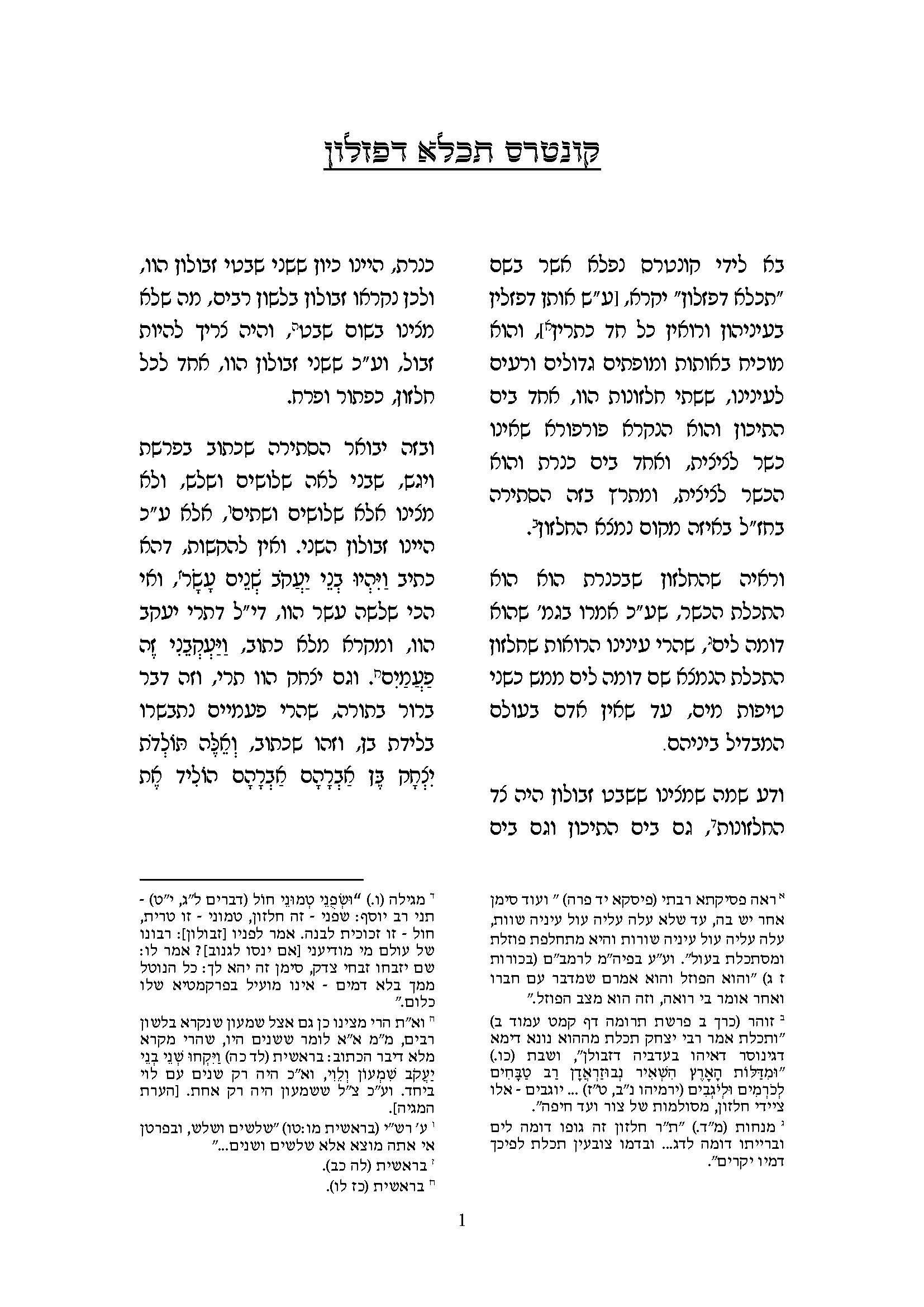
קונטרס תכלא דפזלון
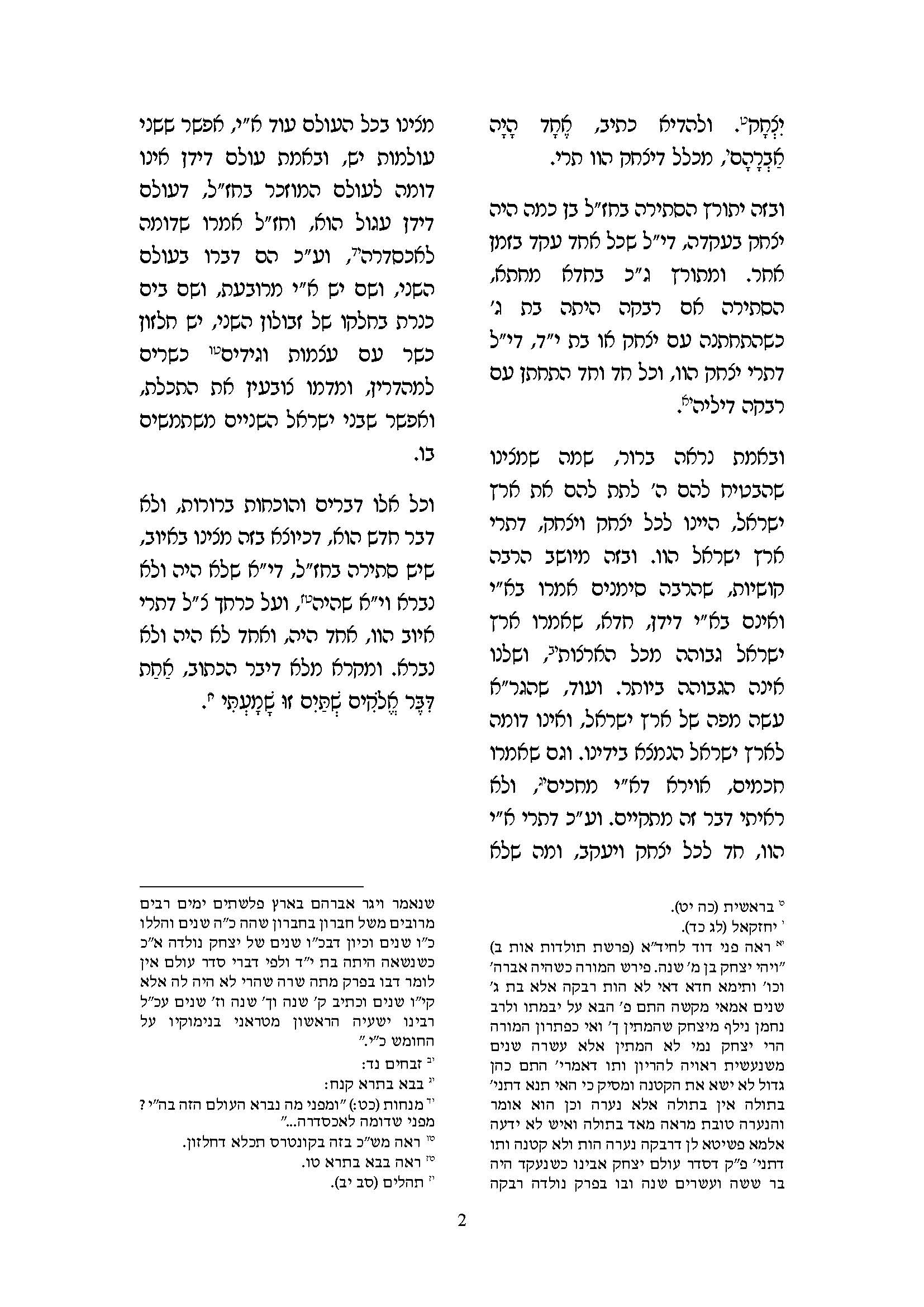
בא לידי קונטרס נפלא אשר בשם “תכלא דפזלון” יקרא, ]ע”ש אותן דפזלין בעיניהון ורואין כל חד כתריו (1)[, והוא מוכיח באותות ומופתים גדולים ורעים לעינינו, ששתי חלזונות הוו, אחד בים התיכון והוא הנקרא פורפורא שאינו כשר לציצית, ואחד בים כנרת והוא הכשר לציצית, ומתרץ בזה הסתירה בחז”ל באיזה מקום נמצא החלזון (2).
וראיה שהחלזון שבכנרת הוא הוא התכלת הכשר, שע”כ אמרו בגמ’ שהוא דומה לים (3), שהרי עינינו הרואות שחלזון התכלת הנמצא שם דומה לים ממש כשני טיפות מים, עד שאין אדם בעולם המבדיל ביניהם .
ודע שמה שמצינו ששבט זבולון היה צד החלזונות (4), גם בים התיכון וגם בים כנרת, היינו כיון ששני שבטי זבולון הוו, ולכן נקראו זבולון בלשון רבים, מה שלא מצינו בשום שבט (5), והיה צריך להיות זבול, וע”כ ששני זבולון הוו, אחד לכל חלזון, כפתור ופרח.
ובזה יבואר הסתירה שכתוב בפרשת ויגש, שבני לאה שלושים ושלש, ולא מצינו אלא שלושים ושתים (6), אלא ע”כ היינו זבולון השני. ואין להקשות, דהא כתיב וַיִּּהְיוּ בְנֵי יַעֲקֹב שנֵים עָשר (7), ואי הכי שלשה עשר הוו, די”ל דתרי יעקב הוו, ומקרא מלא כתוב, וַיַּעְקְבֵנִּי זֶה פַעֲמַיִּם (8). וגם יצחק הוו תרי, וזה דבר ברור בתורה, שהרי פעמיים נתבשרו בלידת בן, וזהו שכתוב, וְאֵלֶּה תּוֹלְדֹת יִּצְחָק בֶּן אַבְרָהָם אַבְרָהָם הוֹלִּיד אֶת יִּצְחָק (9). ולהדיא כתיב, אֶחָד הָיָה אַבְרָהָם (10), מכלל דיצחק הוו תרי.
ובזה יתורץ הסתירה בחז”ל בן כמה היה יצחק בעקדה, די”ל שכל אחד עקד בזמן אחר. ומתורץ ג”כ בחדא מחתא, הסתירה אם רבקה היתה בת ג’ כשהתחתנה עם יצחק או בת י”ד, די”ל דתרי יצחק הוו, וכל חד וחד התחתן עם רבקה דיליה (11).
ובאמת נראה ברור, שמה שמצינו שהבטיח להם ה’ לתת להם את ארץ ישראל, היינו לכל יצחק ויצחק, דתרי ארץ ישראל הוו. ובזה מיושב הרבה קושיות, שהרבה סימנים אמרו בא”י ואינם בא”י דידן, חדא, שאמרו ארץ ישראל גבוהה מכל הארצות (12), ושלנו אינה הגבוהה ביותר. ועוד, שהגר”א עשה מפה של ארץ ישראל, ואינו דומה לארץ ישראל הנמצא בידינו. וגם שאמרו חכמים, אוירא דא”י מחכים (13), ולא ראיתי דבר זה מתקיים. וע”כ דתרי א”י הוו, חד לכל יצחק ויעקב, ומה שלא מצינו בכל העולם עוד א”י, אפשר ששני עולמות יש, ובאמת עולם דידן אינו דומה לעולם המוזכר בחז”ל, דעולם דידן עגול הוא, וחז”ל אמרו שדומה לאכסדרה (14), וע”כ הם דברו בעולם השני, ושם יש א”י מרובעת, ושם בים כנרת בחלקו של זבולון השני, יש חלזון כשר עם עצמות וגידים (15) כשרים למהדרין, ומדמו צובעין את התכלת, ואפשר שבני ישראל השניים משתמשים בו.
וכל אלו דברים והוכחות ברורות, ולא דבר חדש הוא, דכיוצא בזה מצינו באיוב, שיש סתירה בחז”ל, די”א שלא היה ולא נברא וי”א שהיה (16), ועל כרחך צ”ל דתרי איוב הוו, אחד היה, ואחד לא היה ולא נברא. ומקרא מלא דיבר הכתוב, אַחַת דִּּבֶּר אֱלֹקִּים שתַּיִּם זוּ שָמָעְתִּּי (17).
—–
1 ראה פסיקתא רבתי )פיסקא יד פרה( ” ועוד סימן אחר יש בה, עד שלא עלה עליה עול עיניה שוות, עלה עליה עול עיניה שורות והיא מתחלפת פוזלת ומסתכלת בעול”. וע”ע בפיה”מ לרמב”ם )בכורות ז ג( “והוא הפוזל והוא אמרם שמדבר עם חברו ואחר אומר בי רואה, וזה הוא מצב הפוזל.”
2 זוהר )כרך ב פרשת תרומה דף קמט עמוד ב( “ותכלת אמר רבי יצחק תכלת מההוא נונא דימא דגינוסר דאיהו בעדביה דזבולן”, ושבת )כו.( “וּמִדַּלּוֹת הָאָרֶץ הִשְׁאִיר נְׁבוּ זרְׁאֲדָן רַּב טַּבָחִים לְׁכֹרְׁמִים וּלְׁיֹגְׁבִים )ירמיהו נ”ב, ט”ז( … יוגבים – אלו ציידי חלזון, מסולמות של צור ועד חיפה”.
3 מנחות )מ”ד.( “ת”ר חלזון זה גופו דומה לים וברייתו דומה לדג… ובדמו צובעין תכלת לפיכך דמיו יקרים”.
4 מגילה )ו.( “וּשְׁפֻנֵי טְׁמוּנֵי חוֹל )דברים ל”ג, י”ט( – תני רב יוסף: שפני – זה חלזון, טמוני – זו טרית, חול – זו זכוכית לבנה. אמר לפניו ]זבולון[: רבונו של עולם מי מודיעני ]אם ינסו לגנוב[? אמר לו: שם יזבחו זבחי צדק, סימן זה יהא לך: כל הנוטל ממך בלא דמים – אינו מועיל בפרקמטיא שלו כלום.”
5 וא”ת הרי מצינו כן גם אצל שמעון שנקרא בלשון רבים, מ”מ א”א לומר ששנים היו, שהרי מקרא מלא דיבר הכתוב: בראשית )לד כה( וַּיִקְׁחוּ שְׁנֵי בְׁנֵי יַּעֲקֹב שִמְׁעוֹן וְׁלֵוִי, וא”כ היה רק שנים עם לוי ביחד. וע”כ צ”ל ששמעון היה רק אחת. ]הערת המגיה[.
6 ע’ רש”י )בראשית מו:טו( “שלשים ושלש, ובפרטן אי אתה מוצא אלא שלשים ושנים…”
7 בראשית )לה כב(.
8 בראשית )כז לו(.
9 בראשית )כה יט(.
10 יחזקאל )לג כד(.
11 ראה פני דוד לחיד”א )פרשת תולדות אות ב( “ויהי יצחק בן מ’ שנה. פירש המורה כשהיה אברה’ וכו’ ותימא חדא דאי לא הות רבקה אלא בת ג’ שנים אמאי מקשה התם פ’ הבא על יבמתו ולרב נחמן נילף מיצחק שהמתין ך’ ואי כפתרון המורה הרי יצחק נמי לא המתין אלא עשרה שנים משנעשית ראויה להריון ותו דאמרי’ התם כהן גדול לא ישא את הקטנה ומסיק כי האי תנא דתני’ בתולה אין בתולה אלא נערה וכן הוא אומר והנערה טובת מראה מאד בתולה ואיש לא ידעה אלמא פשיטא לן דרבקה נערה הות ולא קטנה ותו דתני’ פ”ק דסדר עולם יצחק אבינו כשנעקד היה בר ששה ועשרים שנה ובו בפרק נולדה רבקה שנאמר ויגר אברהם בארץ פלשתים ימים רבים מרובים משל חברון בחברון שהה כ”ה שנים והללו כ”ו שנים וכיון דבכ”ו שנים של יצחק נולדה א”כ כשנשאה היתה בת י”ד ולפי דברי סדר עולם אין לומר דבו בפרק מתה שרה שהרי לא היה לה אלא קי”ו שנים וכתיב ק’ שנה וך’ שנה וז’ שנים עכ”ל רבינו ישעיה הראשון מטראני בנימוקיו על החומש כ”י.”
12 זבחים נד:
13 בבא בתרא קנח:
14 מנחות )כט:( “ומפני מה נברא העולם הזה בה”י? מפני שדומה לאכסדרה…”
15 ראה מש”כ בזה בקונטרס תכלא דחלזון.
16 ראה בבא בתרא טו.
17 תהלים )סב יב(.
English Translation
Kuntres Tekhala D’Pilazon
A remarkable kuntres has come into my hands, called “Tekhala D’Pilazon” (so named after those who squint their eyes and each one sees what he wants to see[1]), and it brings great and terrible proofs before our eyes that there were actually two Chilazons: one in the Mediterranean Sea, called the Purpura, which is not kosher for tzitzis, and one in the Kinneret, which is kosher for tzitzis. And with this, we can resolve the contradiction in Chazal regarding where the Chilazon is found[2].
And proof that the Chilazon of the Kinneret is the kosher Techeiles? Simple! The Gemara says it is domeh l’yam (resembles the sea)[3], and anyone can see that the Chilazon of the Kinneret resembles the sea exactly—like two drops of water! So much so, that no one in the world could tell the difference between them.
And know that when we find that Shevet Zevulun used to catch Chilazon[4]—both in the Mediterranean and in the Kinneret—that’s because there were actually two Shevatim of Zevulun! That’s why it’s written in the plural form, “Zevulun,” unlike any other Shevet[5]. Really, it should have been just “Zevul,” but since there were two Zevuluns, one for each Chilazon, it’s all a perfect match (Keptor V’Ferach).
And with this, we can resolve the contradiction in Parshas Vayigash, where it says the children of Leah were thirty-three, even though we only count thirty-two[6]. Obviously, that missing one was the second Zevulun! And don’t ask, “But doesn’t it say that Bnei Yaakov were twelve[7]? Wouldn’t that make them thirteen if there were two Zevuluns?” Simple answer: there were actually two Yaakovs! After all, the pasuk says, Vaya’akveini zeh pa’amayim—he has tricked me twice[8]! And guess what? There were also two Yitzchaks! It’s clear as day in the Torah: “Eileh toldos Yitzchak ben Avraham, Avraham holid es Yitzchak”[9]—if Avraham had to be mentioned twice, it must mean there were two Yitzchaks as well! And it’s even written explicitly: “Echad haya Avraham”—meaning, only Avraham was one, but not Yitzchak[10]!
And with this, we can also resolve the contradiction in Chazal regarding how old Yitzchak was at the Akeidah. Simple—each Yitzchak was sacrificed at a different time! And at the same time, we can also answer whether Rivkah was three years old or fourteen years old when she married Yitzchak. Simple—each Yitzchak had his own Rivkah![11]
And really, it’s now perfectly clear that when Hashem promised to give Eretz Yisroel to Yitzchak, He meant each Yitzchak! That means there were actually two Eretz Yisroels! And with this, we can finally resolve many questions: Chazal say Eretz Yisroel is the highest land[12], but our Eretz Yisroel isn’t the highest. The Gra made a map of Eretz Yisroel, but it doesn’t look like the land we have today. Chazal say Avira D’Eretz Yisroel Machkim (the air of Eretz Yisroel makes a person wise)[13], yet I haven’t seen this work for everyone… So it must be that there’s a second Eretz Yisroel, one for each Yitzchak and Yaakov! And if you ask why we don’t see the second one anywhere in the world, simple—there must be two worlds! And really, this world of ours isn’t at all like the one described in Chazal. Our world is round, but Chazal say the world is shaped like an aksadra (portico)[14]. So they were talking about the other world, where there’s a square Eretz Yisroel, and there, in the Kinneret portion of the second Zevulun, there’s a kosher Chilazon—complete with bones and sinews[15]—and from its blood, they dye the real Techeiles. And it’s very possible that the second Bnei Yisroel are using it!
And all these things are simple and clear proofs. And don’t think this is something new, because we find something just like this by Iyov. There’s a contradiction in Chazal—some say Iyov never existed, while others say he did exist[16]. The only possible answer? There must have been two Iyovs—one who existed, and one who never existed! And it’s all an open pasuk: “Achas diber Elokim, shetayim zu shamati” (Hashem spoke one thing, but I heard two!)[17].
[1] See Pesikta Rabbasi (Piska 14, Parah): “And another sign in her: Before a yoke comes upon her, her eyes are even; once the yoke comes upon her, her eyes become crooked and wandering…” See also Rambam’s Peirush HaMishnayos (Bechoros 7:3), “The one who squints, that is someone who, while speaking to his friend, is also looking at someone else…”—and this is exactly the state of one who squints.
[2] Zohar (Terumah 149b), “And Techeiles, said Rabbi Yitzchak, comes from that fish from the Sea of Ginosar, which is in the portion of Zevulun…” and Shabbos (26a), “The poor of the land Nebuzaradan left as vine-workers and Yogvim (dyers)—these are the Chilazon hunters, from Sulamos of Tzur until Haifa.”
[3] Menachos (44a), “The Chilazon’s body is like the sea, its form is like a fish… and its blood is used to dye Techeiles. That’s why it’s so expensive.”
[4] Megillah (6a), “Shfunei Temunei Chol (Devarim 33:19)—Rabbi Yosef said: Shfunei refers to the Chilazon…”
[5] And if you ask, “What about Shimon, which is also written in the plural?”—we can’t say there were two Shimons, because the pasuk clearly says, “And the two sons of Yaakov, Shimon and Levi,” implying there were only two, not three. So Shimon must have been only one. (Editor’s note.)
[6] See Rashi (Bereishis 46:15), “Thirty-three, but when you count, you only find thirty-two…”
[7] Bereishis (35:22).
[8] Bereishis (27:36).
[9] Bereishis (25:19).
[10] Yechezkel (33:24).
[11] See Chida’s Pnei David, Parshas Toldos.
[12] Zevachim 54b.
[13] Bava Basra 158b.
[14] Menachos (29b), “Why was this world created with a Hei? Because it’s shaped like an Aksadra…”
[15] See Kuntres Tekhala D’Chilazon.
[16] Bava Basra 15a.
[17] Tehillim (62:12).