From Wikipedia:
Biography
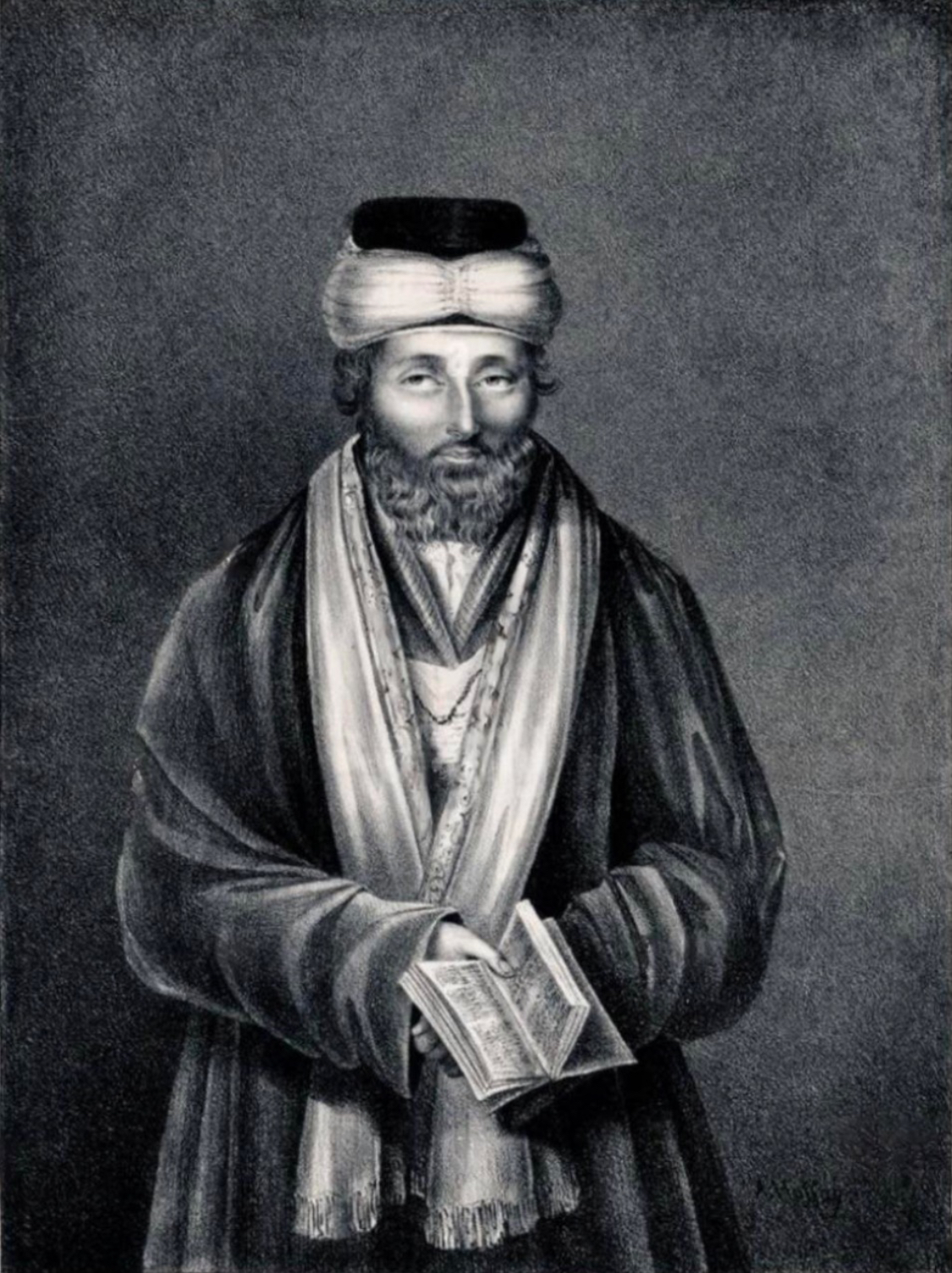
He was born to Rabbi Yosef and Leah. He resided in Biaylstok, where he served as a preacher and also delivered lessons in “Chevrat Midrash” on the Midrashim of the Sages. Not much is known about him, but in a Biaylstok notebook, Abraham Shmuel Hirschberg writes about him, stating that the elders of Biaylstok considered him a righteous individual and “a person of standing.”
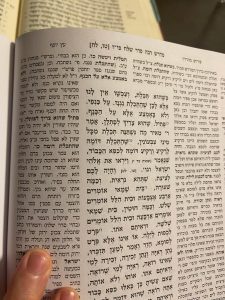
Rabbi Zundel composed commentaries on various Midrashic works such as Midrash Rabbah, Midrash Tanchuma, Aggadat Bereshit, Ein Yaakov, and Seder Olam. His commentaries were divided into two: a concise explanation called “Etz Yosef” and an expanded commentary with innovations called “Anaf Yosef.” He named his commentaries after his father, Rabbi Yosef. His books consist of a compilation of previous commentaries (such as “Yafeh Toar” by Rabbi Shmuel Yafeh Ashkenazi or commentaries on the Nevi’im and Ketuvim by early commentators) as well as his own original insights.
In addition, he authored commentaries of a similar nature on the prayer liturgy. These commentaries were included in the book “Otzar HaTefilot” (Treasury of Prayers).[1]
His books received recommendations from Rabbi Yosef Shaul Nathanson, Rabbi Shmuel Avigdor Tosafot, Rabbi Aryeh Leib Katzenellenbogen, and others.
Publications
He is author of the following works:
- A threefold commentary on Midrash Rabbah of the Pentateuch and five Megillot, in two parts (Wilna and Grodno, 1829–34; 2d ed., Wilna, 1845). It is composed of Etz Yosef (“Tree of Joseph”), which explains it according to the simple explanation of its meaning; Anaf Yosef (“Branch of Joseph”), which explains it homiletically; and Yad Yosef, which cross-references it to other midrashim.[2] He writes in his introduction to the work that he named the work after his father. His commentary received approbations from numerous rabbis, among them Rabbi Yaakov Tzvi Mecklenburg, author of HaKetav VeHaKabbalah.[3]
- A twofold commentary on Midrash Tanchuma (ib. 1833)
- A threefold commentary on Seder ‘Olam (ib. 1845)
- Commentary on Midrash Samuel (Stettin, 1860)
- Mibḥar Mi-Peninim, a commentary on the Midrash Rabbah of the Pentateuch (Warsaw, 1870)
- Novellæ on the Haggadah of the Talmud (Wilna, 1883)—these commentaries are, in fact, compilations from other commentaries, especially those of Samuel Jafe Ashkenazi, Hellin, and Bärman Ashkenazi, to which Enoch added novellæ of his own
- Olat ha-Ḥodesh, prayers for the new moon, with treatises on fast-days, philanthropy, etc. (ib. 1859)
- A commentary on Pesikta Rabbati
- Hoi Ariel, a funeral sermon on the death of R. Löb Katzenellenbogen of Brest (ib. 1838), a reference to Isaiah 29:1
- Avel Kaved, a eulogy for Rabbi Yitzchak Isaac Tiktin
- A Twofold commentary on the siddur [Jewish Prayer Book]
Jewish Encyclopedia bibliography
- Fürst, Bibl. Jud. ii. 107-108, iii. 396;
- Fuenn, Keneset Yisrael, p. 312;
- Eliezer Kohn, Ḳin’at Soferim, p. 107.
References
- “Otzar HaTefilot Nusach Ashkenaz”. National Library of Israel (in Hebrew). Retrieved 9 March 2024.
- “מדרש רבה – בראשית שמות ויקרא – (page 3 of 496)”. Hebrewbooks.org. Archived from the original on 2016-02-26. Retrieved 2012-09-05.
- “מדרש רבה – בראשית שמות ויקרא – (page 2 of 496)”. Hebrewbooks.org. Archived from the original on 2016-02-21. Retrieved 2012-09-05.
- This article incorporates text from a publication now in the public domain: Singer, Isidore; et al., eds. (1901–1906). “Enoch Zundel ben Joseph”. The Jewish Encyclopedia. New York: Funk & Wagnalls.
From Wikipedia Hebrew:
הרב חנוך זונדל (-ו’ בכסלו תר”כ, 1859[1]) מחכמי פולין. עסק בתחום מדרשי האגדה וביאורי התפילה, מחבר הספרים “עץ יוסף” ו”ענף יוסף” ו”יד יוסף“.
ביוגרפיה
נולד לרב יוסף ולחיה. התגורר בביאליסטוק בה שימש כדרשן וכן מסר שיעורים ב”חברת מדרש” במדרשי חז”ל. אין ידועים פרטים רבים עליו, אך בפנקס ביאליסטוק כותב עליו אברהם שמואל הירשברג שזקני ביאליסטוק מסרו לו שהוא היה נחשב לצדיק ו”בעל מדרגה”.
חיבר פירושים על מספר מדרשים כמו מדרש רבה, מדרש תנחומא, אגדת בראשית, עין יעקב וסדר עולם. פירושיו נחלקו לשניים, ביאור קצר בשם עץ יוסף וביאור מרחיב עם חידושים בשם ענף יוסף. את הפירושים הוא קרא על שם אביו רבי יוסף. ספריו מהווים ליקוט של פירושים קודמים (כמו “יפה תואר” של רבי שמואל יפה אשכנזי או על הנ”ך – פירושי הראשונים) כמו גם חידושים עצמיים.
בנוסף חיבר פירושים באותה מתכונת על סידור התפילה. פירושים אלו הודפסו בספר “אוצר התפילות”.
על ספריו המלצות מרבי יוסף שאול נתנזון, רבי שמואל אביגדור תוספאה, רבי אריה לייב קצנלבויגן ועוד.
ספריו
עקב הקשיים שהערים השלטון הרוסי על הדפסת ספרי קודש, נאלצו רבים להדפיס את ספריהם ברחבי גרמניה, בקניגסברג, שטטין, יוהניסבורג (גר’) (בה נוסד הדפוס בשנת תר”י), ליק ועוד. ספרים אלו לעיתים מצויות, הודפסו ללא ציון שנת ההדפסה או מיקום ההדפסה, כדי לא לעורר תהיות בשלטונות הרוסיים.
- על מדרש תנחומא – וילנה–הורודנה תקצ”ג (1833)
- על מדרש רבה חמש מגילות – ורשה תרכ”ג (1883).
- על סדר עולם – וילנה 1845
- אגדת בראשית – ורשה תרל”ו
- על פסיקתא דרב כהנא
- על מדרש תהילים
- על מדרש פטירת משה רבינו
- על מדרש שמואל – שצ’צ’ין תר”כ (1860)
- נבחר מפנינים על מדרש רבה על התורה, חלק א’ ברלין תרכ”ו (1866) חלק ב’ ורשה תר”ל (1870)
- על העין יעקב ומדרשי הירושלמי – וילנה תרמ”ג (1883)
- “ענף עץ אבות” על מסכת אבות, ורשה תרנ”ב. מהדורה שנייה ירושלים תש”כ.
- על סדר עולם רבה, וילנה תר”ד
- פירושיו על הסידור, הודפס באוצר התפילות, דפוס ראם
- משיב נפש על הגדה של פסח – ניתן למצוא כאן
- פירוש על ילקוט שמעוני (כתב יד)
- פירוש על הרא”ש בברכות ושבת (כתב יד)
- “פורת יוסף” – על הנ”ך (כתב יד). כתב היד שרד אצל קרוב משפחתו הרב יהודה לייב קליינרמן, והוא יצא לאור בשנת תש”ל בירושלים על ידי בנו הרב שמואל קליינרמן בהוצאת לוין-אפשטיין.
- “מצהלות חתנים”, חיבור מקיף על ענייני אירוסין ונישואים. יצא לאור ביוהנסבורג בסביבות שנת תרט”ו בעילום שם. מהדורה שנייה ניו יורק תשנ”ב[2].
- עולת החודש- על קידוש החודש, תרי”ט (1859)
כמו כן חיבר מספר קונטרסי מספד:
- אבל כבד – הספד על רבי יצחק אייזיק חבר ורבי מאיר הורוביץ רבה של בריינסק (יוהנסבורג תרי”ג).
- קול נהי – הספד על הרב יעקב מאיר בורשטין “דער יאלאווקער צדיק”[3]
- הו אריאל – הספד על רבה של בריסק, הרב אריה לייב קצנלבויגן (וילנה תקצ”ח)
- זיכרון לנפש חיה- מזכרת לאמו, דרשה על שכר לימוד התורה
- מספד תמרורים- על פעשא, אשתו של איטשע זבלודובסקי, הגביר מביאליסטוק
לקריאה נוספת
- שלמה אילן, “צהר תעשה לתבה” : ‘אוצר התפילות’ ויוצריו כצוהר לפרשנות סידור התפילה, פרק 3. אוניברסיטת בן-גוריון בנגב, 2024.[4]
קישורים חיצוניים
- חנוך זונדל בן יוסף בספר ביאליסטוק עמ’ 203 (243 בדפי האתר).
- חנוך זונדל בן יוסף באנציקלופדיה היהודית.
 חנוך זונדל בן יוסף (נפטר 1859), דף שער בספרייה הלאומית
הערות שוליים
- על פי פנקס ביאליסטוק.
- ראו באוצר החכמה.
- ראו עליו כאן.
- גישה מקוונת, באתר אוניברסיטת בן גוריון