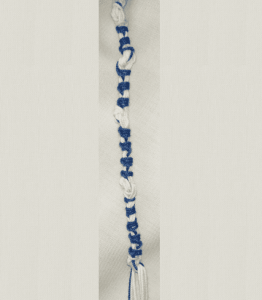
String Ratios Discussed:
Tags:

Main Text
וְהָא שָׁלְחוּ לֵיהּ לְרָבָא: זוּג בָּא מֵרֶקֶת, וּתְפָשׂוֹ נֶשֶׁר, וּבְיָדָם דְּבָרִים הַנַּעֲשֶׂה בְּלוּז, וּמַאי נִיהוּ. נראה לי בס”ד הם רצו להודיע לרבא שהיה ראש ישיבה בבבל על אותה שנה שנתעברה ונתפחדו לכתוב לו בפירוש מפני הגזרה שגזרו העכו”ם עליהם שלא לעבר שנים ואף על פי שהגידו לו ענין עיבור השנה ברמז עם כל זה נתחכמו לכתוב לו באותו מכתב ידיעה בדבר שאינו צריך רבא לידיעה זו ורק הם כתבו אותה ידיעה בתחילת המכתב כדי להעלים הדברים שמדברים בענין עיבור השנה בהעלם יותר בהיות תחילת המכתב הוא בדבר אחר וסיפור זה שכתבו בראשונה על נס שנעשה לחכמים באותה שנה בארץ ישראל ששם היו בארץ ישראל תחת ממשלת שהם רומא עשו אבי אדום.
וקרו ליה בשם נֶּשֶׁר משום דכתיב בעשו אִם תַּגְבִּיהַּ כַּנֶּשֶׁר וְאִם בֵּין כּוֹכָבִים שִׂים קִנֶּךָ מִשָּׁם אוֹרִידְךָ נְאֻם הֳ’ (עובדיה א, ד) ופרשתי הטעם כי יעקב אבינו ע”ה שלח מנחה לעשו תק”ן בהמות (בראשית לב, יד) כמנין נֶּשֶׁר [550] ושלחם זכרים ונקבות מכל מין עשויים כסדר נכון כראוי להם בעבור הולדות וכתבו המפרשים ז”ל הטעם כי לעתיד נעשה עמהם חשבון להחזיר לנו המנחה לפי חשבון כמה ולדות יהיה מהם וחושבין פירות ופירי פירות מזמן משלוח המנחה עד זמן ביאת המשיח בב”א [במהרה בימינו אמן] ולכן אמר לו אִם תַּגְבִּיהַּ כַּנֶּשֶׁר במה שלקחת מנחה שמספרו נֶּשֶׁר ויהיה לך גבהות לב בזה הנה מִשָּׁם אוֹרִידְךָ נְאֻם הֳ‘ שעתיד אתה לשלם ולדות וולדי ולדות לחשבון משך כל השנים הרבות אשר יהיו מזמן קבלת המנחה עד זמן הפרעון שהוא זמן ביאת המשיח. ולכן מה שאמר ותפסו נֶּשֶׁר
קאי על אדום ולא על פרס וכמו שפירש רש”י ז”ל כי בארץ ישראל לא היו תחת ממשלת פרס אלא תחת ממשלת אדום ורק בבבל היו תחת ממשלת מלכות פרס.
וזה פתרון דברי המכתב שלהם שכתבו בתחילתו זוּג בָּא מֵרֶקֶת פירוש שני חכמים באו מעיר טבריא לילך למקום אחר בארץ ישראל וּתְפָשׂוֹ נֶשֶׁר חיל של אדום תפסו לזה הזוג לשלול אותו וְהָיָה בְּיַד הַזּוּג הַזֶּה דָּבָר הַנַּעֲשֶׂה בְּלוּז וּמַאי נִיהוּ? תְּכֵלֶת, כי באותו זמן היה הצבע של התכלת נקלט לשבח באויר של לוז יותר ממקום אחר ולכן היתה סחורה של התכלת שבידם יקרה מאד ואם היו יכולים לשלול אותם היו מפסידים הרבה. ויתכן שהיה באותו זמן גזרה ממלכי רומא שלא יצבעו תכלת לציצית ואם שוללים אותם היו נכנסים בסכנה שהיו עושים עליהם עלילה שעברו על גזרת המלכות אך בִּזְכוּת הָרַחֲמִים הם תפילות ישראל שהם שמונה עשרה וּבִזְכוּתָם הוא זכות התורה שהיה בידם יָצְאוּ בְּשָׁלוֹם שנעשה להם נס וניצולו ולא לקחו מה שהיה בידם ולא ידעו מה היה בידם ונשלם מעשה הנס הזה שספרו להם בתחילת המכתב.
English Translation
And didn’t they send to Rava: “A pair came from Reket, and a Nesher (griffin vulture) captured them, and in their hands were things that are made in Luz.” And what are those things?
It seems to me, with siyata d’Shmaya, that they wanted to notify Rava, who was the Rosh Yeshiva in Bavel, about that year being declared a leap year. However, they were afraid to write it explicitly because of the decree that the non-Jews had placed upon them forbidding them from intercalating the years. And even though they hinted to him about the leap year, they still used wisdom and included in the letter information about something unrelated, something that Rava didn’t actually need to know. They only wrote that other information at the beginning of the letter in order to further conceal their discussion regarding intercalation.
This initial part of the letter referred to a miracle that had happened to the Chachomim that year in Eretz Yisroel, where they were under the rule of Edom—meaning Rome. And they called it by the name “Nesher” because it is written about Esav: “If you raise yourself up like a Nesher, and if you place your nest among the stars, from there I will bring you down, says Hashem” (Ovadia 1:4).
And I explained the reason as follows: Yaakov Avinu, a”h, sent a gift to Esav of 550 animals (Bereishis 32:14), which is the numerical value of “Nesher” (נשר). He sent them as male and female pairs, each species arranged properly so they could reproduce. And the Meforshim explain that in the future, a calculation will be made to return to us this gift in accordance with the number of offspring that would have resulted from them. The reckoning includes their offspring and their offspring’s offspring from the time of the gift’s sending until the coming of Moshiach, b’meheira b’yameinu, amen.
Therefore, Hashem said to Esav, “If you raise yourself up like a Nesher,” meaning, if you become arrogant about the gift that amounted to the numerical value of “Nesher,” “from there I will bring you down, says Hashem.” Because in the end, you will have to pay back all the offspring and their offspring for all the years that have passed since the receiving of the gift until the time of its repayment, which is the time of the arrival of Moshiach.
Therefore, when the letter says, “and a Nesher captured them,” it refers to Edom, not to Persia. And as Rashi, z”l, explains, in Eretz Yisroel, they were not under Persian rule but under Edomite (Roman) rule, while in Bavel, they were under the rule of Persia.
Now, this is how to understand the letter they wrote: “A pair came from Reket”—meaning, two Chachomim came from the city of Tiverya, traveling to another place in Eretz Yisroel. “And an Nesher captured them”—meaning, a force of Edom seized these two to confiscate their belongings. “And in their hands were things made in Luz”—what are those things? Techeiles.
For at that time, the dye of Techeiles was absorbed especially well in the air of Luz, more than in any other place, and therefore, the Techeiles trade from there was highly valuable. If they would have been robbed, they would have suffered a great loss. It’s also possible that at that time there was a decree from the Roman rulers forbidding the dyeing of Techeiles for tzitzis. If they would have been seized, they would have been in danger, as the authorities would have accused them of violating the royal decree.
But in the merit of the Rachamim—the tefillos of Klal Yisroel, which are the Shemoneh Esrei—and in the merit of the Torah that was in their hands, they were saved. A miracle happened, and they escaped unharmed. Their belongings weren’t taken, and the authorities never even discovered what they had with them. That was the miracle they recounted at the beginning of the letter.
After all this, they informed Rava in the same letter about the leap year, but only in a hinted way, since the Roman authorities had decreed against them that they may not intercalate the years.
They wrote: “And the lame ones of the thighs of Nachshon”—this refers to the Nasi in Eretz Yisroel, whom they associated with Nachshon rather than with Yehuda, the head of the Shevet. This was because the leadership began with Nachshon. It also hinted to the fact that just as Nachshon was moser nefesh for Hashem’s honor, jumping into the Yam first, so too the Nasi was moser nefesh for the mitzvah, going against the decree of the Romans by attempting to declare a leap year. However, he did not succeed, because the authorities became aware of it, and the effort was disrupted.
Thus, they wrote: “They sought to establish a leader, but this Edomite did not allow it.” The phrase “leader” (נָצִיב) hints at the twelfth month, which is Adar Sheini, the additional month that makes the year a leap year. They called it “leader” because it brings good news to Klal Yisroel, just like a נֵץ (a falcon) whose nature is to bring good tidings. It is also known as a מטג’י, and as the Arizal explains, it is designated for bringing good news.
“And this Edomite did not allow them”—this refers to the ruler of Edom. Some versions have it as “this Persian” instead of “this Edomite.” This was written so that if the letter fell into the hands of non-Jews, they wouldn’t realize that the letter was referring to Edom.
“But the collectors gathered”—this means that the Chachomim gathered in a secret location to declare the leap year. They held this gathering in the month when Aharon HaKohein, a”h, was niftar, meaning the month of Av.
Since in Av, Klal Yisroel is accustomed to mourning for the Beis HaMikdash, refraining from eating meat and making feasts, the authorities wouldn’t suspect them of gathering to intercalate the year. The Romans knew that during a leap-year declaration, the Chachomim would make a large seudah and celebrate. But in Av, they assumed that such a thing wouldn’t happen.
Therefore, the Chachomim specifically chose to declare the leap year in Av so that the authorities wouldn’t suspect anything.